Cameroon arrests 68 in anti-gay crackdown


Nine are sent to New Bell Prison; the rest are released.
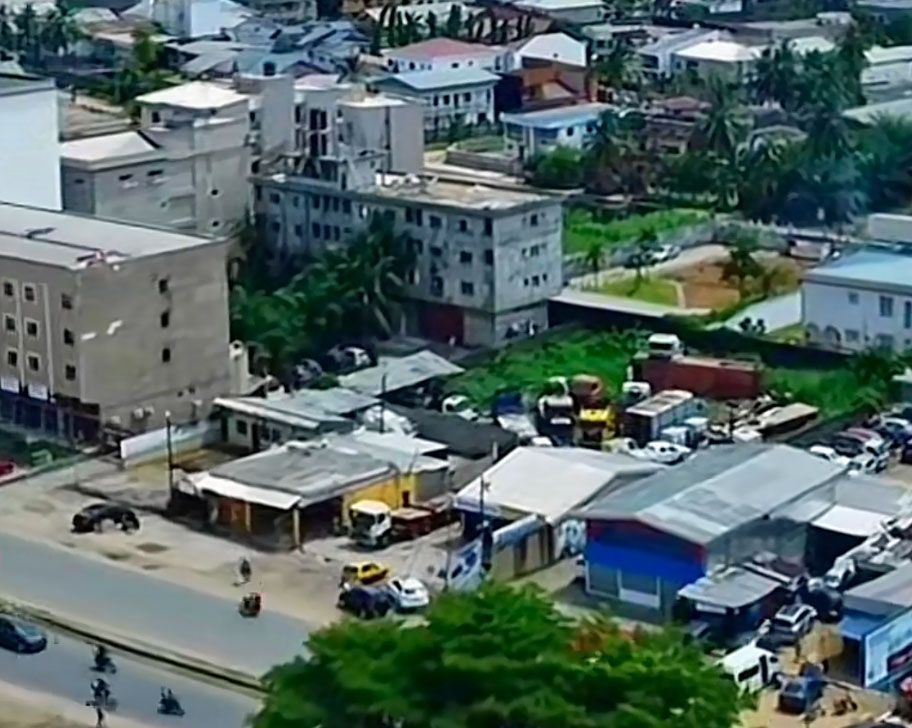
On the night of Aug. 23, around 3 a.m., at least 68 people identified or perceived as homosexual were arrested in the Makepe and Bonamoussadi neighborhoods of Douala on homosexuality charges.
The Ndongbong police station commander justified the operation by saying that homosexuals were present at a local bar that maintained rooms used for sexual relations. Police said they raided the bar and found condoms, lubricants, and sex toys in the bar’s private rooms.
Many specifics of the arrests remain unclear, but it’s known that all but nine detainees were soon released after they were taken to various police stations.
Many, including the arrestees who were sent to the Akwa-Nord station, were set free after putting up bail of 25,000 CFA francs (about US$44) per person.
Eight arrestees were initially detained at the Ndongbong station, including one 16-year-old identified here as N.P.
A ninth individual was arrested after visiting N.P. Police responded to that visit by searching his home, where they said they found military underwear and other items.
On Aug. 26, a delegation comprised of a lawyer and representatives from the human rights advocacy groups Working for Our Wellbeing and Together for All visited there to inquire about the prisoners’ status.
On Aug. 27, charges filed against some or all of the nine prisoners include homosexual acts, corruption of a minor, and unauthorized use of military equipment. Their case was transferred to a military court, which sent it back to the police on Aug. 31 for further investigation.
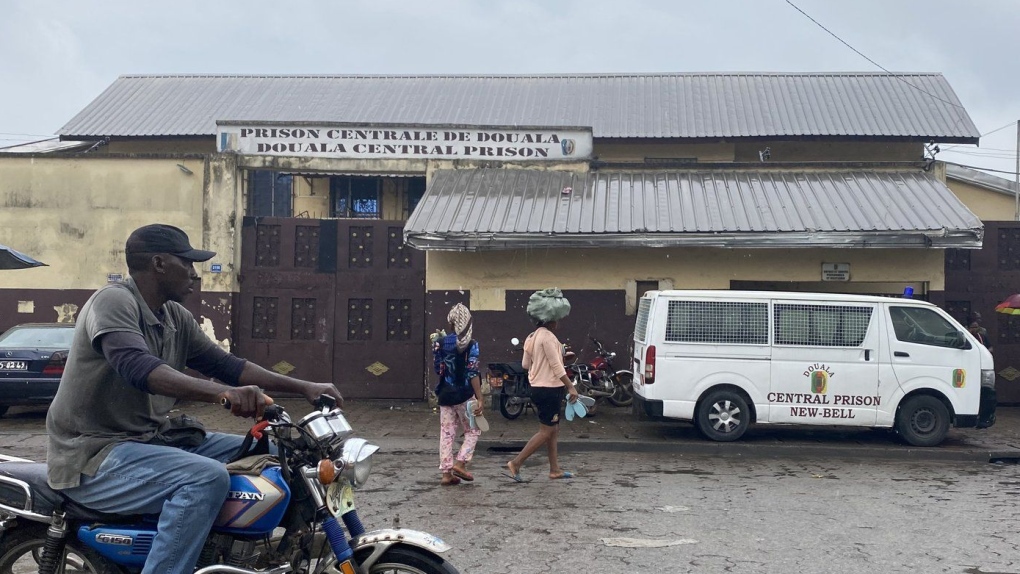
On Sept. 3, the government commissioner ordered the detention of the nine defendants at the New Bell Central Prison in Douala. The case is scheduled for trial on Monday, Sept. 7.

A defense attorney plans to challenge the jurisdiction of the military court and seek a transfer to the Ndokoti Civil Court.
Several of the prisoners are in poor health. One wears a back brace and several are running a fever.
Four of them have no family in Douala. Some have no money, no phone, and no identification.
Human rights advocates are working to secure funds to pay for food, legal representation, and medical care for the prisoners, as well as for safe quarters separate from the prison’s general population.