

Analysis: Cameroon’s anti-gay raids violated Cameroon’s own rules


Police in Cameroon violated human rights, rules of evidence and international treaties.
ANALYSIS
By Jean Jacques Dissoke
The arrest of 68 people last month whom police presumed to be gay was just the beginning of a series of actions by homophobic police that violated human rights guarantees, procedural safeguards, rules of evidence, and even international treaties.
An analysis of judicial police documents shows that the Aug. 23 police raids on a variety of locations were conducted without a judicial warrant on the basis of vague indications about allegedly homosexual customers and residents who were there.
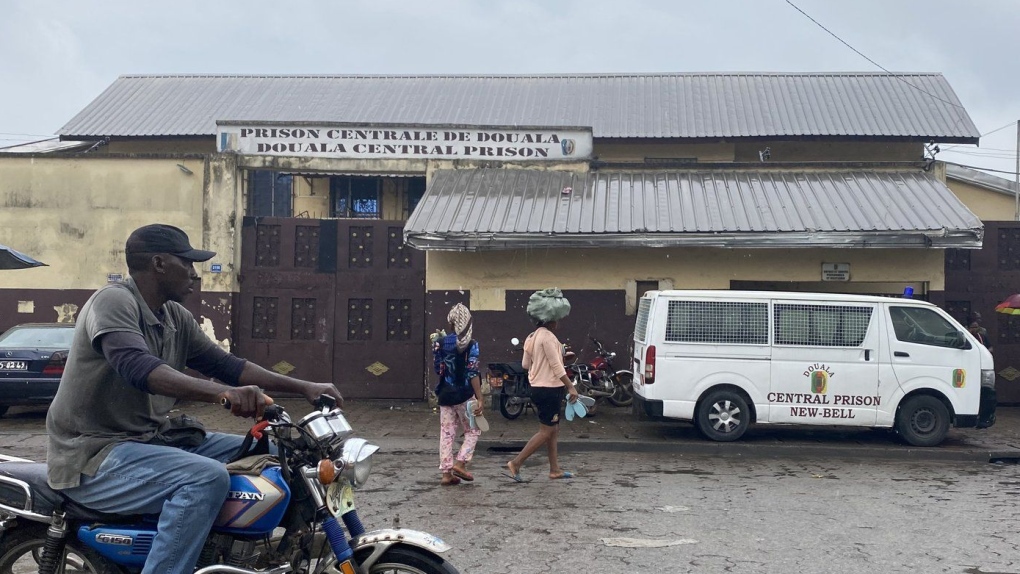
Of the 68 arrestees, the vast majority were released, but nine were remanded to New Bell Prison. Of the nine, two detainees, both age 18, were later released and a minor, age 16, was transferred to a civil court that handles cases involving juveniles.
Erasing 76 Crimes has examined judicial police files containing records of the police searches and court hearings. Those files revealed that the police violated procedural safeguards provided for in Cameroon’s Code of Criminal Procedure.
Lack of legal basis for arrests
The reason Cameroon police cited for the arrests was solely the presumed sexual orientation or appearance of the people they arrested. In Cameroonian law, sexual orientation and gender identity are not mentioned, but sexual relations between people of the same sex are illegal under Article 347-1 of the Penal Code. Those acts are punishable by six months to five years in prison.
The police documents made clear that the raids were made on the basis of the arrestees’ sexual orientation and gender identity, not on the basis of any material evidence about their actions. Police reports mention no supporting evidence for the raids, citing only evidence they found during the raids, which cannot by considered a legal basis for making the raids.
For example, the Ndongbong police station commander justified the operation by saying that homosexuals were present at a local bar with private rooms used for sexual relations. Police said they raided the bar and found condoms, lubricants, and sex toys in the bar’s private rooms.
But that evidence, which was found without a valid search warrant, is legally invalid.
After the raids, the legal irregularities continued. The arrestees were taken into police custody without clear notification of the charges against them or access to legal counsel.
Forced confessions and intimidation

Consistent testimonies gathered by local organizations in Cameroon indicate that suspects were subjected to:
- Physical violence during interrogations, including beatings and humiliation in the presence of others.
- Psychological pressure on arrestees to confess or face stiffer charges.
- Intimidation by describing the arrestees to media representatives as homosexuals, which reinforces social stigma.
Such practices constitute forced confessions as prohibited by Article 15 of the Convention against Torture and by Article 7 of the African Charter on Human and Peoples’ Rights.
Legal violations
The use of violence in the arrests and detentions is contrary to:
- Articles 2, 3, and 4 of the African Charter (non-discrimination, equality before the law, right to individual liberty).
- Article 5 of the African Charter (prohibition of cruel, inhuman, or degrading treatment).
- Resolution 275 of the African Court on Human and Peoples’ Rights (obligation of States to protect individuals from violence based on sexual orientation and gender identity).
The lawyer for the arrestees raised those objections with the police, but they took no heed and proceeded to transfer the case to the prosecutor’s office. The investigating officer’s explanation for acting contrary to national and international law was that the case involved immorality that should not be tolerated. In court, these same objections would have been raised but, before the attorney could do that, the suspects confessed to being homosexuals.
Conclusion
These reports demonstrate an institutional strategy of repression against sexual and gender minoritiesi n Cameroon, characterized by:
- Arbitrary arrests without legal basis.
- Prolonged and abusive detentions.
- Confessions extracted under duress.
- Systematic violence and intimidation.

