

Postponement of elections worries Haitian LGBT+ rights advocates


Haiti has endured ten years without elections
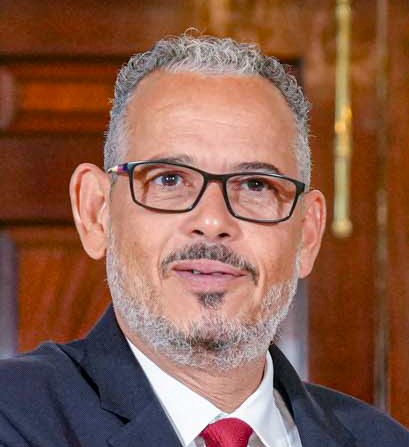
No elections have been held in Haiti for the past 10 years. However, on Oct. 5, the Provisional Electoral Council (CEP), which is responsible for overseeing elections, announced another postponement of the scheduled election calendar due to organizational issues. The date of the new election has not yet been announced.
Originally scheduled for Dec. 13, the elections were supposed to decide on a new head of state and a new parliament in a country still plagued by severe insecurity, with armed gangs controlling large parts of the capital, Port-au-Prince.
This situation has prompted a reaction from human rights defenders on the ground, particularly those from the LGBT+ communities.
Election Dates Postponed for Technical Reasons
The Provisional Electoral Council announced the indefinite postponement of the presidential elections to accommodate last-minute changes to the electoral decree of June 2, 2026, which was revised for the third time in five months by the Council of Ministers led by Alix Didier Fils-Aimé, who currently holds both the positions of Prime Minister and President of the Council of Ministers, in the absence of a sitting President of the Republic.
While the changes published in the official gazette of the Republic of Haiti are technical in nature and have the merit of making the presidential and legislative elections more competitive, including a reduction in the registration fees for candidates running for elected office—they nonetheless disrupt the country’s political calendar, leaving the population in limbo.
“I understand the difficulties related to insecurity, but Haiti cannot remain without elections indefinitely. The postponement of the election must be accompanied by concrete commitments, a realistic timeline, and guarantees of transparency. The population needs security, but it also needs legitimate representatives and democratic institutions,” says Merlin Jean, an LGBT+ activist from Ouanaminthe in northeastern Haiti.
From Political Uncertainty to Weariness
For Johnny Clergé, another LGBT+ activist based in Port-au-Prince, the latest announcements are exacerbating a situation he considers already critical.
“This postponement of the elections is not without consequences. Many political parties gathered on Saturday, Oct. 10, to demand the prime minister’s resignation. If Alix Didier Fils-Aimé were to resign, it would have the effect of another political explosion, plunging the country into total uncertainty,” Clergé says.
Fils-Aimé has led Haiti’s interim government for less than a year, having been appointed to the position in February of this year.

On Oct. 10, a coalition called the National Consensus Assembly, comprising civil society organizations and political parties gathered in Pétion-ville, endorsed the idea of ousting the prime minister and replacing him with a dual-leadership executive of a president and a new transitional prime minister.
“Today, Haiti no longer interests the international community after five years of a never-ending transition, one that has been unable to organize an election and whose sole purpose seems to be to survive itself—to paraphrase the title of Haitian essayist Pierre-Raymond Dumas’s book, Cette transition qui n’en finit pas,” Clergé says .
“Moreover, the transition, outside of any electoral process, is ripe for fraud and a lack of transparency. However, I believe we can get the country out of this rut by involving the diaspora and civil society forces more closely through a national assembly.”
“The Haitian people are at their wits’ end, because there is no sign of a return to political and constitutional normalcy on the horizon. We always end up back at square one: uncertainty. Meanwhile, the daily hardships persist. For example, last week we were without internet due to service outages by the providers,” he added.
Anti-LGBT countries get to guard human rights for the U.N.