

Sierra Leone activists flee for their lives


Death threats follow reports of anti-gay police raid
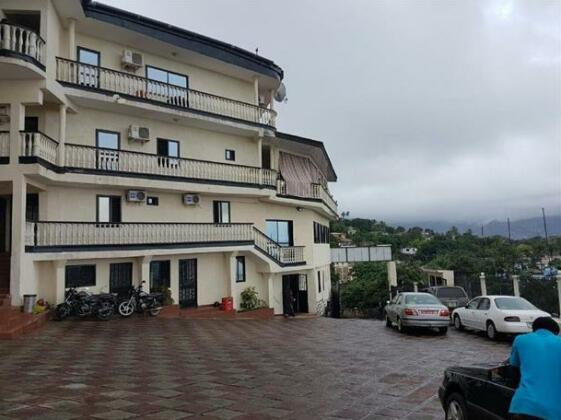
Sierra Leone police last week raided a private party for gay men at the Hill Valley Hotel in Freetown, the nation’s capital city, local LGBTQ+ activists said.
Sierra Leone is a small English-speaking coastal nation in West Africa that, until now, had rarely enforced the anti-homosexuality law that it inherited from the days when it was a British colony.
George Reginald Freeman, also known as George Reginald Freeman Browne, the executive director of the LGBT+ rights organization Pride Equality, said he was at the party with his partner, fellow activist Edwin Bolaji Deen. They left the party when the police arrived, eluding capture, he said.
According to documents posted on the website of the Sierra Leone newspaper Daybreak News, police issued warrants for their arrest on charges of “homosexuality (gay) and LGBTI [or LGBTQ] social activity”, which they claimed was “likely to cause the breach of the peace”. Police offered a “handsome” reward for information leading to their arrests.
But from the start, specifics of the Aug. 30 event remained unclear. According to an article in the Sierra Leone newspaper Daybreak News, police arrested “dozens” of men. Freeman Browne said “most” of the 50 to 60 guests at the party were able to escape. It was unclear whether the arrested men were still in police custody.
[Editor’s note: Facts about the event became harder to ascertain as time rolled on. Daybreak News removed from its website both the article about the raid and the related documents. Erasing 76 Crimes has written to that newspaper, seeking an explanation. A separate human rights organization in Sierra Leone, the Human Rights Defenders Network-SL, stated that the reported raid, arrests and warrants did not exist. Whatever did or did not occur on Aug. 30, Freeman and Deen fled abroad, saying that they had received death threats and that, after their departure, letters from police arrived at their home.]
In the online arrest warrant, police said the Aug. 30 gathering at the hotel was “intended as a rare safe space for LGBTQ individuals. During this gathering, people were engaging consensual sexual activities, as many LGBTQ individuals have no safe or private locations to express intimacy in Sierra Leone. It was also one of the few opportunities for LGBTQ members to spend intimate time with their partners/boyfriends.”
Under Sierra Leone’s anti-homosexuality law dating back to 1861 and kept on the books when the nation became independent in 1961, any man found guilty of “buggery” can be imprisoned for 10 years to life.
However, the Human Dignity Trust reports, “There is limited evidence of the law being enforced in recent years, with LGBT people being occasionally subject to arrest and arbitrary detention in recent years, though there appear to be no prosecutions, successful or otherwise, under the law. There have been consistent reports of discrimination and violence being committed against LGBT people in recent years, including assault, threats, harassment, blackmail, familial rejection, and the denial of basic rights and services.”
Currently, reports indicate a climate of widespread fear within the LGBT+ community. This fear is also fueled by the role of certain local media outlets, which often publish police wanted notices—including promises of rewards for anyone who helps capture individuals suspected of homosexuality.
Freeman Browne has said that “the colonial law is still used as a lever to extort money from LGBT+ people”.
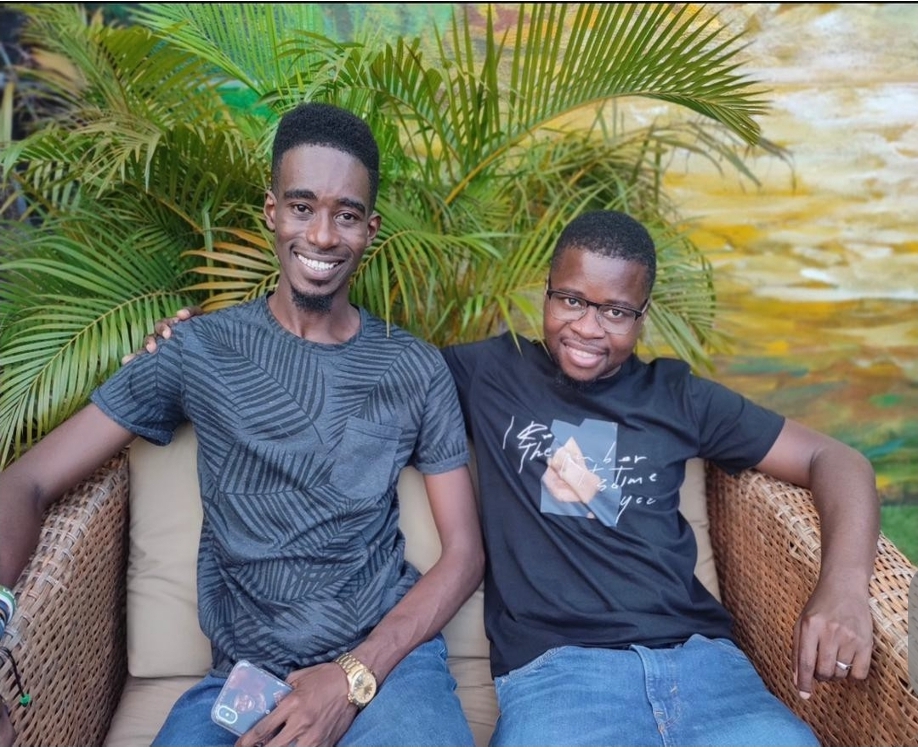
Freeman gave this account of the raid:
“I went to a private party hosted by a friend at the Hill Valley Hotel in the hills above Freetown.
In the middle of the night, about ten police officers stormed in, while some 50 or 60 guests were gathered there. It was clearly an anti-gay raid, and the police were apparently looking for condoms and lubricants or other incriminating evidence that might justify the presence of a police patrol.
Since there were two exits in the hotel, most of us were able to escape. Nevertheless, some people were arrested. At this point, I cannot say how many people were taken into police custody.

Also, just this morning, I received calls from unknown numbers on my cell phone from malicious individuals attempting to blackmail me. I cannot explain who is behind these actions, nor how my phone number was leaked.
The same questions apply to the organization of the party—namely, by whom and how the police were informed that this party was taking place in a private space. This is concerning.
My partner, Edwin Bolaji Deen, is also the subject of a police wanted notice, and members of his family have already been questioned about his whereabouts. As for me, I was very recently prevented from returning to Spain when I went to the airport a few days ago, even though I am of both Spanish and Sierra Leonean descent.
In a rather confusing manner, I was told that I did not meet the requirements to leave Sierra Leonean territory. I found that very strange.”
This month’s raid was not Freeman’s first encounter with anti-gay hostility. Back in 2013, Erasing 76 Crimes reported on his flight for safety in Spain as a temporary refuge from homophobic attacks and death threats in Sierra Leone.


🙏 🙏