

Bangladesh’s third-gender Hijras struggle for basic rights


Despite official recognition, Bangladesh’s Hijras face violence and discrimination
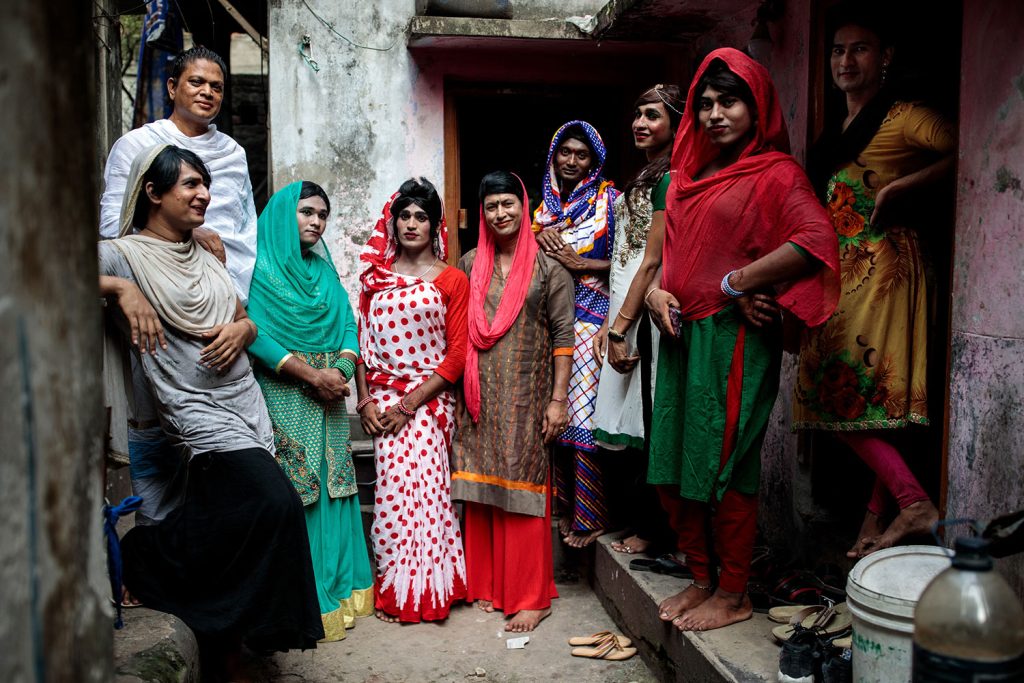
Even though the Hijras are officially recognized as a distinct gender by the Bangladeshi government, many routinely face denial of fundamental human rights, equal opportunities, social protection, and access to justice in their day-to-day lives.
JusticeMakers Bangladesh in France recently announced the publication of a new report on the struggles of Bangladesh’s Hijra community. An edited version of their announcement is presented below:

JMBF Publishes Special Report on Violence Against Hijra Community in Bangladesh
JusticeMakers Bangladesh in France (JMBF), a France-based international human rights organization, today published a comprehensive special report on the challenges facing Bangladesh’s third-gender community titled “Beyond Recognition: Bangladesh’s Hijra Community’s Continuing Struggle for Rights, Dignity, and Justice (2013–2026: An Analysis of State Recognition, Laws, Policies, and the Implementation of Rights).”
The report highlights a deeply concerning gap between the Bangladesh government’s formal recognition of the Hijra community as a distinct gender identity in 2013 and the continued denial of fundamental human rights, equal opportunities, social protection, and access to justice experienced by members of the community.
Drawing on government records, census data, national and international human rights publications, academic research, and documented incidents, the report examines how structural discrimination, social exclusion, institutional failures, and inadequate legal protections continue to undermine the dignity, safety, and fundamental freedoms of Hijra people across Bangladesh.
The report finds that more than a decade later, members of the Hijra community continue to experience violence, harassment, humiliation, exclusion from education and employment, barriers to healthcare, housing insecurity, difficulties obtaining accurate identity documents, and discrimination in exercising their inheritance and political rights.
“A significant gap remains between legal recognition and the practical realization of dignity, equality, and fundamental human rights. This gap must be addressed immediately through comprehensive legal reforms, effective institutional protection, and concrete measures to eliminate discrimination and ensure equal rights for all members of the Hijra community,” says Shahanur Islam, Founder, President and Executive Director of JMBF.
He called upon the Government of Bangladesh, the National Human Rights Commission (once constituted), the Election Commission, the judiciary, law enforcement agencies, educational institutions, healthcare providers, civil society organizations, and international development partners to take effective measures to combat discrimination and protect the fundamental rights of the Hijra community.
JMBF maintains that Hijra persons must be recognized not merely as beneficiaries of charitable assistance or welfare programmes, but as equal citizens entitled to the full protection of national law and international human rights standards.
According to the preliminary findings of the Bangladesh Bureau of Statistics’ 2022 Population and Housing Census, 12,629 individuals were recorded as Hijra. However, the report raises significant concerns about possible undercounting, social stigma, risks associated with disclosing gender identity, and methodological limitations.
The report also refers to a peer-reviewed study conducted in 2019 involving 346 self-identified Hijra participants across five cities, which documented substantial violations of educational, economic, employment, healthcare, political, and social rights. JMBF emphasizes that these findings should not be interpreted as nationally representative estimates.
JMBF Calls for Urgent Government Action
The JMBF report concludes by urging the Government of Bangladesh to adopt and implement comprehensive measures to protect and uphold the fundamental rights of Hijra persons. The report specifically calls for:
- Comprehensive anti-discrimination legislation that explicitly protects individuals against discrimination based on gender identity, gender expression, and sex characteristics, with enforceable remedies for violations.
- Independent and impartial investigations into incidents of violence, harassment, abuse, and discriminatory treatment targeting Hijra individuals, ensuring accountability for perpetrators and effective remedies for victims.
- Dignified legal gender recognition procedures based on self-identification, privacy, and informed consent, without humiliating physical examinations or unnecessary medical certification.
- Equal access to education, employment, and healthcare, supported by institutional safeguards against harassment, exclusion, and discriminatory practices.
- Protection of housing, property, and inheritance rights, alongside accessible legal assistance and effective complaint mechanisms.
- Inclusive voter registration and political participation, ensuring that Hijra citizens can exercise their democratic rights freely and without discrimination.
- Meaningful participation of Hijra-led organizations in the formulation, implementation, and monitoring of laws and policies affecting their communities.
- Strengthened national and international human rights monitoring, including transparent and inclusive data collection, institutional accountability, and cooperation with relevant human rights mechanisms.
International Responsibility and Human Rights Obligations
JMBF urges United Nations human rights mechanisms, international development partners, diplomatic missions, and international civil society organizations to pay greater attention to the human rights situation of Bangladesh’s Hijra community.
The report emphasizes that lasting progress requires more than symbolic recognition. It requires enforceable rights, effective institutions, meaningful access to justice, social inclusion, and the active participation of those whose rights are at stake.
