

Contrary to homophobes’ claims of support, Ghana is divided on anti-LGBTQ bill


Polling showed that 32% opposed a harsh anti-LGBTQ bill.
About a third of Ghana’s citizens oppose a harsh anti-LGBTQ bill such as the one the parliament approved on a voice vote on May 29. That’s contrary to the claim by the bill’s proponents that more than 90 percent of Ghanaians support anti-LGBTQ legislation.
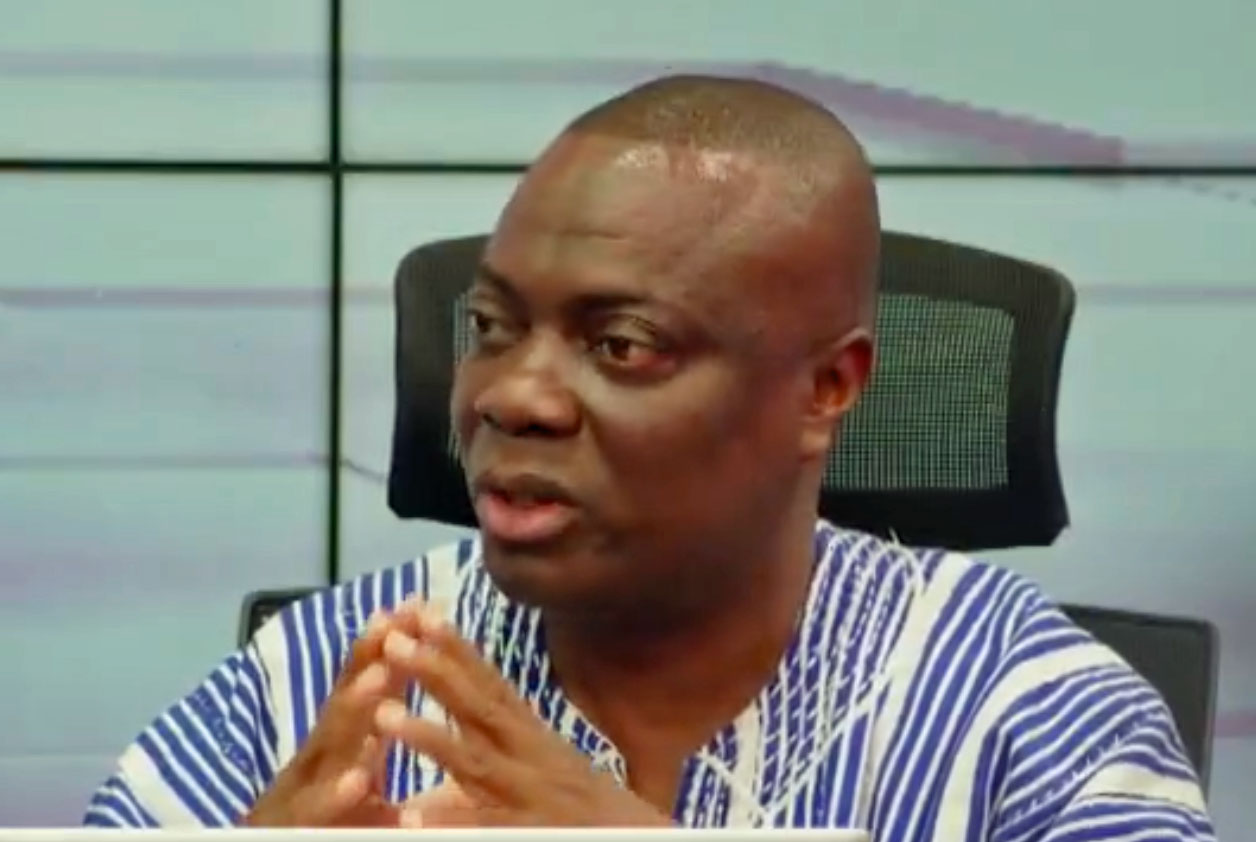
According to Mussah Dunkwah, executive director of Global Info Analytics, appearing on Channel 1 TV:
Polling conducted after Parliament first passed the Human Sexual Rights and Family Values Bill in 2024 found that 59% of Ghanaians supported the legislation, 32% opposed it, while 9% had no opinion or were unaware of the bill.
That version of the bill expired without then President Nana Akufo-Addo’s assent, but a slightly revised version of it was passed on May 29. Current President John Mahama has said that the bill “will undergo scrutiny before it is officially approved”, the BBC reported.
Some advocates of the bill have lobbied to have it returned to parliament for further revision. Opponents say that the latest version of the bill was approved without the necessary quorum being present.
The LGBTQ rights advocacy group Rightify Ghana reported:
Speaking as a panelist on Channel One TV’s “The Big Issue,” Dankwah said the survey reflected national opinion trends on the controversial anti-LGBTQ bill. According to the findings, the Upper West Region of Ghana was the only region where a majority opposed the bill, while support was recorded across all other regions.
The finding challenges repeated claims by some proponents of the legislation, including MP John Ntim Fordjour, that more than 90% of Ghanaians supported the bill. The survey instead suggests a more divided public opinion, with nearly one in three Ghanaians opposing the legislation and a significant minority expressing views contrary to the narrative of near-universal national support.
What’s in the bill
The latest version of the bill calls for three years in prison for anyone who identifies as (“holds out as”) LGBTQ. It would allow LGBTQ people to avoid prison if they submit to counseling to try to change their sexual orientation or gender identity.
The bill would also impose a three-year prison term for people who:
- Participate in gender-reassignment surgery;
- Enter into a same-sex marriage; or
- Attend a same-sex wedding.
It would ban “funding, sponsorship or promotion” of LGBTQ activity, with prison terms ranging from three to five years
It would introduce a “duty to report” prohibited LGBTQ acts to a police officer or other authorities, with violators facing up to three years behind bars.
In a revision from the previous version of the bill, the new version would declare media, legal, and healthcare professionals who report on, represent or treat LGBTQ+ people to be exempt from prosecution for those activities.
It would keep Ghana’s current law that provides a three-year prison sentence for same-sex intimacy.
‘Conversion therapy’
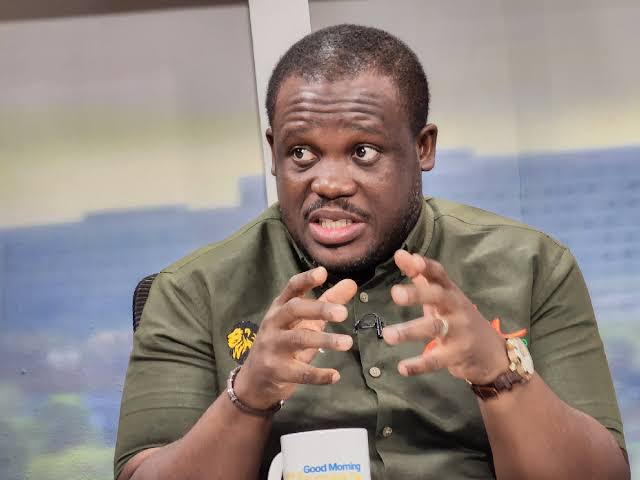
Rightify Ghana criticized Sam George, a prominent advocate of the anti-LGBTQ bill, for his advocacy of “conversion therapy” seeking to change LGBTQ people’s sexual orientation. George is Ghana’s Minister for Communication, Digital Technology and Innovations.
In Rightify’s description, “Sam George ignorantly attacks a historical correction that declassified homosexuality as a mental disorder; promotes discredited practice of conversion therapy at anti-rights conference.”

Rightify stated: “Conversion therapy is the scientifically discredited and harmful practice of attempting to change an individual’s sexual orientation or gender identity through psychological, behavioral, or spiritual interventions.
“In a display that highlighted a deep disconnect from global scientific consensus, [George] launched a fierce attack on modern psychiatric history during the 4th African Inter-Parliamentary Conference on Family Values and Sovereignty.
“Speaking to journalists on the sidelines of the summit, the prominent cabinet minister and Member of Parliament for Ningo-Prampram doubled down on anti-LGBTQ+ rhetoric, explicitly branding homosexuality as a ‘mental aberration”‘and a ‘condition’ requiring clinical intervention.
“When questioned about global human rights and medical standards, the Communications Minister aggressively pushed back against the landmark 1973 decision by the American Psychiatric Association (APA) and subsequent 1990 updates by the World Health Organization (WHO) that removed homosexuality from lists of mental disorders.
“Rather than acknowledging decades of peer-reviewed data showing that homosexuality is a normal variation of human sexuality, George dismissed these historical corrections as Western political compromises. He claimed that the United Nations and international medical bodies have no right to dictate psychiatric standards within Ghana’s sovereign borders.
“Instead, George advocated for state-sanctioned conversion therapy, framed under the guise of ‘psychological help’ and corrective counseling. ‘We are saying that if you find yourself with these tendencies, we want to help you,”‘George stated, defending provisions in the Human Sexual Rights and Family Values Bill that offer counseling as an alternative to incarceration.’We will provide psychiatric care and mental health support to guide you back.’ ”
For more information about conversion therapy, see the article ” ‘Ex-gay therapy’: What reputable experts have to say“

