

Did Ghana Parliament lack a quorum when it passed anti-LGBTQ bill?


Legal challengers say only 34 of Ghana’s 276 legislators were present for the vote
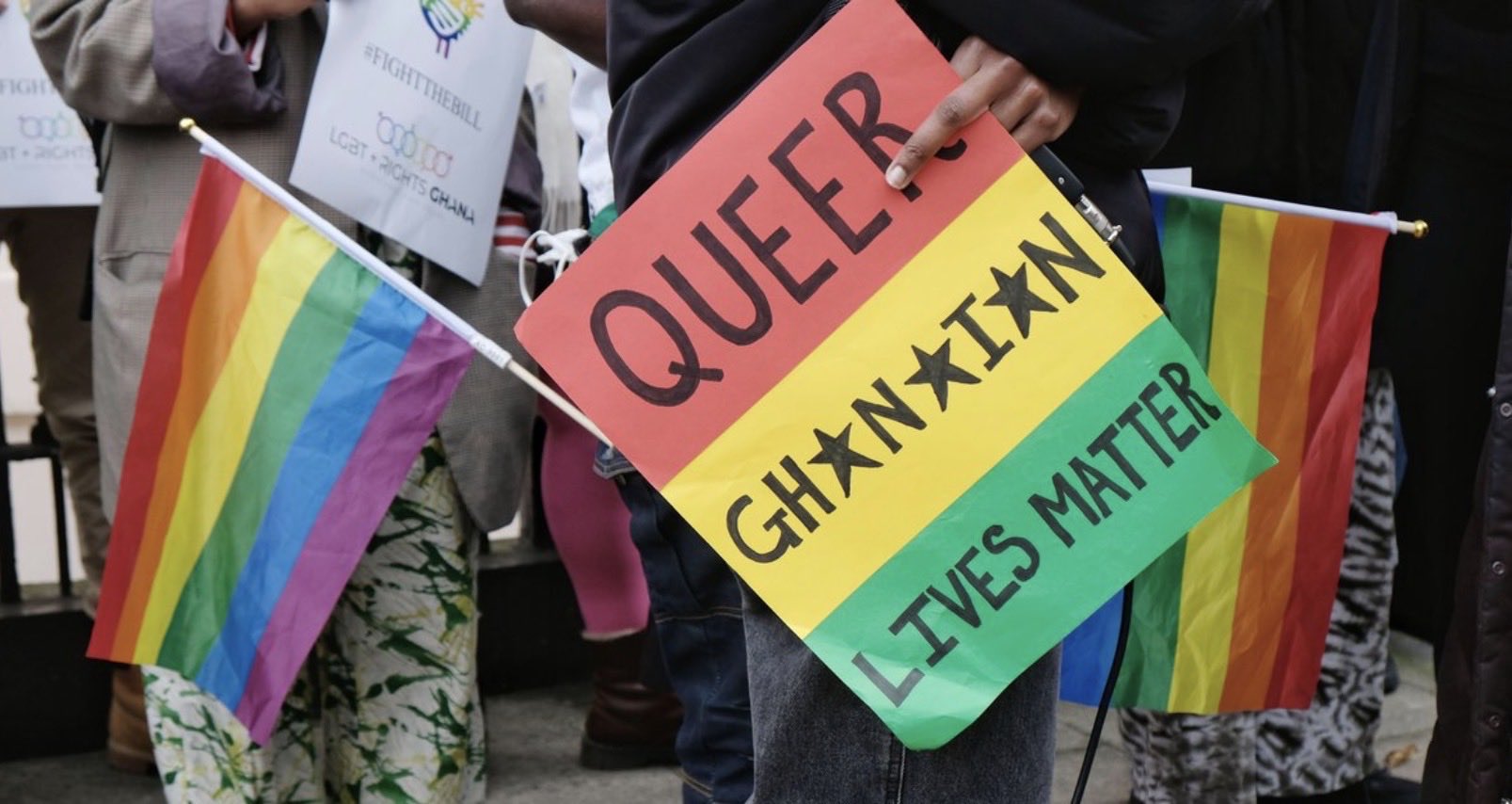
In the wake of the passage of Ghana’s cruel, extreme anti-LGBTQ bill by a voice vote in Parliament on May 29:
Legal challenge
A coalition of organisations led by LGBTQ advocates Rightify Ghana is preparing to challenge the Ghanaian decision in court, based on the undue speed at which the bill passed through its second and third readings, and because the quorum of MPs had not been met when the vote was held, The Guardian reported: .
“Some legal practitioners have raised concerns about the constitutionality of the bill’s passage, citing questions about parliamentary quorum. Reports indicate that only about 34 of the 276 Members of Parliament were present in the chamber when the final decision was taken”, Rightify Ghana wrote on X.
Presidential scrutiny
The bill needs presidential assent before it becomes law. President John Mahama said today that it “will undergo scrutiny before it is officially approved”, the BBC reported. The BBC added:
“Speaking during a visit to the UK, John Mahama said his legal council and attorney general would ‘sit on it because it was a private members’ motion… [and] not a government bill’.
“The bill – passed by parliament on Friday – proposes up to three years imprisonment for identifying as lesbian, gay, bisexual, transgender or queer, and a “duty to report” prohibited acts to police.
” ‘We will look at it and make sure that everything is in order,’ Mahama said, adding that the bill would be referred to the Council of State – his advisors – if there were any problems.
“Since coming into power last year, Mahama has been pressured by religious leaders to strengthen anti-gay measures, which ban same-sex relationships under laws dating from the British colonial era.
“Discussing the bill during a question-and-answer session at the Chatham House think tank in London on Monday, Mahama also said there were some procedural lapses in its passage, which are being addressed by the Speaker of parliament.”
‘Time to make noise’
The Nigerian LGBTQ rights advocacy group TIERs (The Initiative for Equal Rights) urged people to protest loudly against the bill while Mahama is deciding whether to sign it.
TIERs stated on X: “Ghana’s parliament just passed one of the most sweeping anti-queer bills. Identifying as queer carries a prison sentence, so does standing with someone who is. Now is the time to make noise. The president has not signed yet, and that window is closing. Do not stay silent!
What’s in the bill
The bill approved on Friday maintains Ghana’s existing penalty of up to three years in prison for same-sex sexual acts. It also bans “funding, sponsorship or promotion” of LGBTQ acts, with prison terms ranging from three to five years. And it introduces a “duty to report” prohibited LGBTQ acts to a police officer or other authorities, with violators facing up to three years behind bars.
In a revision from the previous version of the bill, media,, legal, and healthcare professionals who report on, represent or treat GBTQ+ people are exempted from prosecution for those activities.
Regarding the legal challenge, Asaase Radio reported:

Anti-LGBTQ Bill could face court challenge over quorum, lawyer warns
By Jonathan Ofori
Executive Director of the Africa Center for International Law and Accountability (ACILA) William Nyarko has warned that the Human Sexual Rights and Family Values Bill 2025 could face constitutional challenges over the circumstances surrounding its passage in Parliament, even if it receives presidential assent.
William Nyarko of the Africa Center for International Law and Accountability (ACILA) said potential legal challenges may focus not only on alleged infringements of fundamental rights but also on whether Parliament complied with constitutional quorum requirements when approving the legislation.
In a Facebook post following Parliament’s passage of the bill, Nyarko questioned whether the minimum number of lawmakers required under the Constitution were present when the vote was taken.
He cited Article 104(1) of the 1992 Constitution, which requires at least half of all Members of Parliament to be present for the determination of any matter, including the passage of a bill.
With Parliament currently comprising 276 members, at least 138 lawmakers would have been required to be present for the vote to be constitutionally valid, he argued. …
“The critical question … is whether the Human Sexual Rights and Family Values Bill was passed with the constitutionally required quorum of 138 MPs present,” he wrote.
According to Nyarko, information currently available in the public domain does not conclusively answer that question.
He argued that if a court later determines that the constitutional quorum requirement was not met, the resulting law could be declared unconstitutional and void regardless of its substantive provisions.

