

Ugandans Wendy and Denise speak out after imprisonment for kissing


Arrests drew global attention to Uganda’s persecution of LGBTQ people
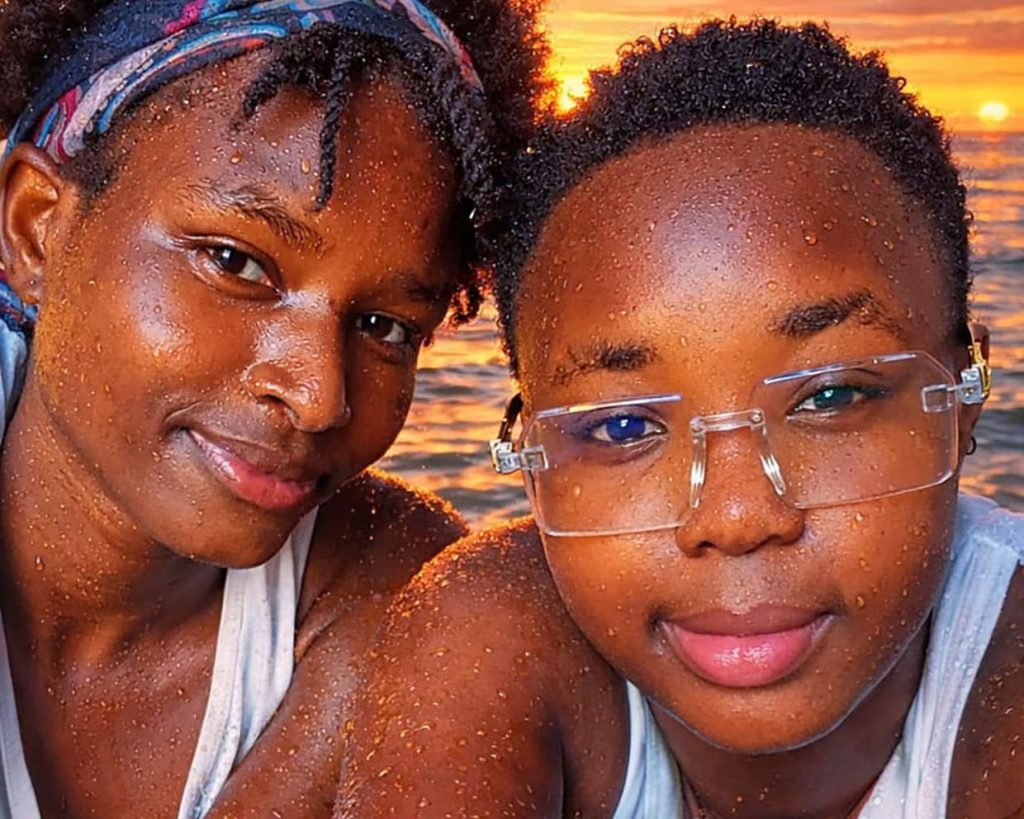
The two Ugandan women who were recently released after spending close to five months in prison and on court bail over Anti-Homosexuality Act-related charges have vowed to keep their love alive despite the threats, stalking and other homophobic attacks coming their way, The Guardian reports.
On July 15, Conrad Oroya Obol, a Chief Magistrate based in Arua City in northwestern Uganda ruled that proceedings against Wendy Faith and Alesi Diana Denise be discontinued and the co-accused be discharged with immediate effect.
Two weeks after regaining their freedom, the two young women have told The Guardian that they are traumatized and living in fear, but they will not give up on each other.
“To be honest, being in prison has really messed up our lives. We can’t even walk through the streets peacefully, especially when we’re together. Someone is always trying to follow us and find something to use against us. There are people who keep calling to threaten us about this case. They were even threatening us that if they ever see us together again, they will take us back to prison,” they told The Guardian.
Denise says that during their incarceration, the police personnel were harsh on them to the extent that her partner Wendy was beaten.
“They just beat her for no reason. She never did anything to threaten the police,” Denise told The Guardian.
Arua City Deputy Residential City Commissioner Richard Job Matua, who proposed ‘conversion therapy’ for the two women when they were arrested, has issued threats against the two women.
In one of our recent stories, he was quoted threatening Wendy and Denise with arrest “should they attempt to continue with that habit.”
The two women say they are not about to give in to threats and intimidation. They say the last few months have taught them more about the dangers around them and that they are trying their best to protect themselves from harm.
They are still living together despite warnings that they should not be seen together.
“But all in all, we don’t give up on each other because we know what we have both been through together and how far we have come,” Denise says.
Financially, the two women say they are struggling.
“Things are really difficult ever since we got out. We have no work, no business and nowhere to earn an income like before, so we’re just struggling to get by,” Denise told The Guardian.
Denise’s situation is even more worrying because she says her family chased her away from home, claiming that she was a disgrace for being in a relationship with a girl.
Frank Mugisha, executive director of Sexual Minorities Uganda, told The Guardian that the withdrawal of charges was welcome, but it did not erase the harm that the brutal arrest and illegal detention had already caused.
“This public arrest was a chilling reminder to the Ugandan LGBTQ+ community of how the Anti-Homosexuality Act is being used to intimidate, criminalise and dehumanise LGBTQ Ugandans,” Mugisha said.

According to the Human Rights Awareness and Promotion Forum (HRAPF), it has handled a total of 2,462 cases involving a total of 1,398 individuals have been handled across its legal aid network, in the three years since the Anti-Homosexuality Act came into force.

