

Cameroon’s LGBTQI community mourns the loss of transgender pioneer Doloresse


She was found with her throat slit in Yaoundé, Cameroon
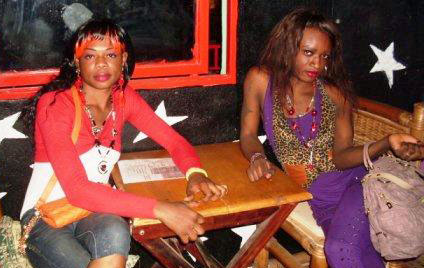
The Cameroonian transgender community is in mourning. Doloresse, an emblematic figure of trans visibility in Cameroon, was found with her throat slit on the morning of May 12 in Yaoundé.

According to initial reports, the perpetrator remains unidentified, and the exact circumstances of the murder are still unclear. Authorities have not yet released any official details, while the LGBTQI+ community expresses shock, anger, fear, and profound sadness.
Doloresse was not a trans woman like any other: she was among the first in Cameroon to come out publicly, at a time when simply expressing one’s gender identity exposed one to extreme violence. Her courage inspired an entire generation of activists, trans youth, and human rights defenders.
A life marked by torture, violence and humiliation
Doloresse’s life has been a long journey of suffering and resistance.
She has experienced:
- Repeated physical violence, often committed with complete impunity;
- Arbitrary arrests, motivated by institutional transphobia;
- Abusive detentions, the most striking of which was her incarceration about 10 years ago in Yaoundé’s Kondengui Central Prison;
- Family rejection, which forced her to survive alone in a hostile environment; and
- Constant social stigmatization, which followed her in the streets, in public services, and in the neighborhoods where she tried to live.
Her time in Kondengui deeply shocked human rights organizations. She was defended there by Alice Nkom, a leading figure in the fight for the rights of sexual and gender minorities in Cameroon.
Her case brought to light the brutal treatment inflicted on transgender people within the Cameroonian penal system.
A symbol of resilience shattered by violence
Despite the humiliations, beatings, arrests, and rejections, Doloresse continued to live with dignity, affirming her identity and supporting other trans people younger than herself.
She had become, despite herself, a symbol of resilience, a familiar face in community circles, a living memory of the trans struggles in Cameroon.
Her brutal murder serves as a stark reminder of the extreme vulnerability of trans people in the country, exposed to social, police, institutional, and now deadly violence.
A community in shock, a call for justice

Since the announcement of her death, messages of sadness and outrage have multiplied.
Community organizations have denounced:
- A climate of hatred fueled by transphobia;
- Lack of protection for trans people;
- Impunity for those who inflict violence motivated by gender identity;
- the silence of the authorities in the face of crimes targeting sexual and gender minorities. They are calling for a thorough, transparent, and swift investigation so that justice is served for Doloresse and her murder does not join the long list of unsolved crimes.
The author comments;
Doloresse leaves behind an immense legacy: that of a woman who, despite persecution, dared to be herself in a country where this is still considered heroic.
Her murder is a tremendous loss for the trans community, but also a stark reminder of the urgent need to protect trans lives in Cameroon.
Her name, her story, and her courage will continue to inspire those who fight for a world where no one should die simply for existing.
A selection of earlier articles in Erasing 76 Crimes about Doloresse, who often was identified as “Delores” or “Dolores” and earlier as “a gay man” and as “Jonas Singa Kimie”, her birth name:
- Popular trans woman beaten and arrested in Cameroon (July 2018)
- Life is tough for trans and intersex Cameroonians (December 2014)
- Two gay men freed into ‘living hell’ in Cameroon (March 2013) (Back in 2013, Doloresse and her partner Naomi were still described as “two gay men.”)

