Nigerian college expels two students for homosexual activity


Nigeria has ‘one of the most restrictive environments for LGBT people on the continent.’
The BBC’s Pidgin English service reported this story on July 25. It has been edited, translated into standard English, and published in a shortened form here:
A Nigeria technology university in north-central Nigeria has expelled two students accused of engaging in same-sex relationships.
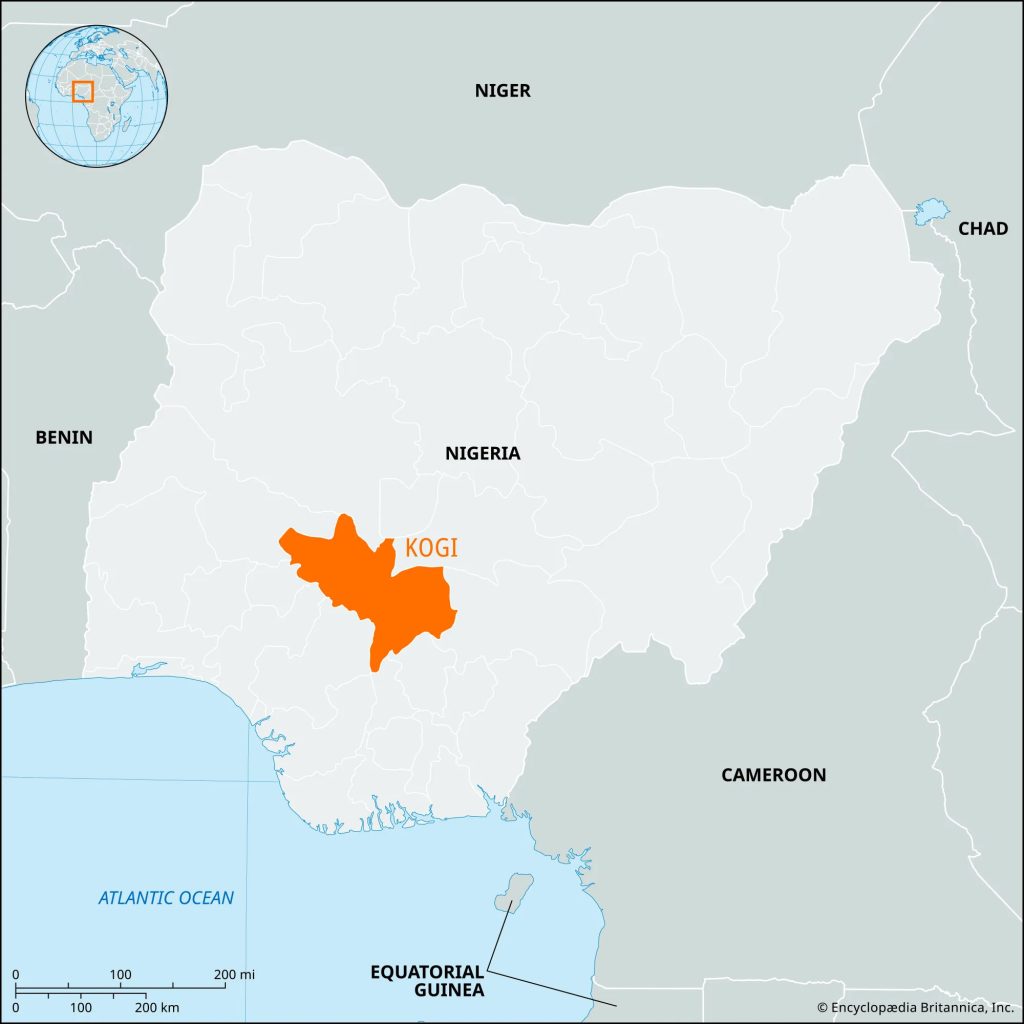
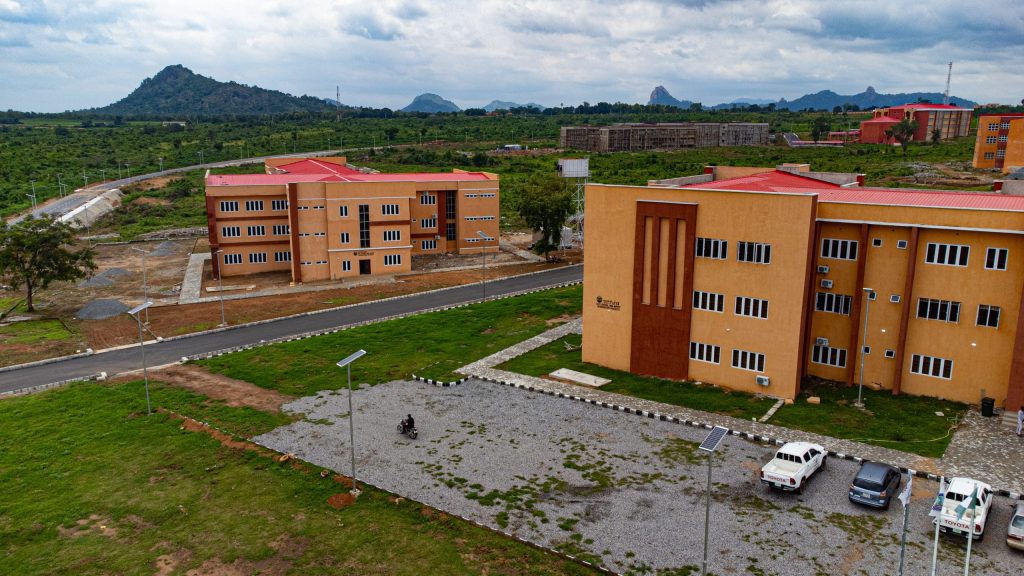
Confluence University of Science and Technology (CUSTECH) in Osara, Kogi State, stated that the expulsions were made as provided in the school’s student handbook.
The university identified the expelled pair as students of Biology Education and Mining Engineering. It did not provide any further information about the students, their activities, or their response to the expulsions.
The BBC article was inconsistent about when the university announced the expulsions and did not state whether the expelled students faced any legal action.
The country’s Same-Sex Marriage (Prohibition) Act, signed into law in 2014, provides a 14-year prison sentence for anyone who enters into a same-sex marriage or civil union.
The law also criminalizes public displays of affection between same-sex couples, imposes penalties of up to 10 years in prison, and bans gay clubs, societies, and organizations.

Many human rights organizations have condemned the law, saying it has contributed to increased discrimination, violence, and extortion targeting LGBT people.
A Human Rights Watch report said the law “officially authorizes abuses against LGBT people, effectively making a bad situation worse.”
Activists say reports of attacks, mob violence, and blackmail against LGBT Nigerians remain common, arguing that the legislation has created an environment in which such abuses can occur with less accountability.
Nigeria’s anti-LGBT legislation has historically enjoyed significant public support, and the country remains one of the most restrictive environments for LGBT people on the continent.