

Appeal to Indonesia to stop listing ‘LGBTQ culture’ as a national threat


‘”The human rights situation for LGBTIQ people in Indonesia is deteriorating rapidly,’

The government of Indonesia has listed the “spread of LGBTQ culture” as one of the top non-military threats to the nation’s security — a policy that the LGBTQ advocacy group ILGA Asia is seeking to reverse.
The Indonesia LGBTQ rights organization Arus Pelangi (“Rainbow Flow”) says the policy has fueled “surveillance, monitoring, and control“ of LGBTQ people.
ILGA Asia executive director Henry Koh says the policy “crosses a dangerous line.” Last month the group called on Indonesia to repeal the policy and also reject any proposals to criminalize consensual same-sex intimacy or advocacy for LGBTIQ human rights, MambaOnline.,” reported.
Indonesia does not have a national homosexuality law prohibiting consensual same-sex relations, but some Indonesian provinces and municipalities do..
ILGA Asia reported last month that “The human rights situation for LGBTIQ people in Indonesia is deteriorating rapidly, amid escalating institutional discrimination, surveillance and profiling, public stigmatisation, raids, and vigilante violence. … By placing the ‘spread of LGBTQ culture’ within a national defense framework, the policy gives a national-security framing to sexual and gender diversity and creates political and institutional legitimacy for discriminatory policies, surveillance, restrictions, and intervention affecting LGBTIQ individuals and communities.”
ILGA Asia is the regional partner of ILGA World, the International Lesbian, Gay, Bisexual, Trans and Intersex Association.
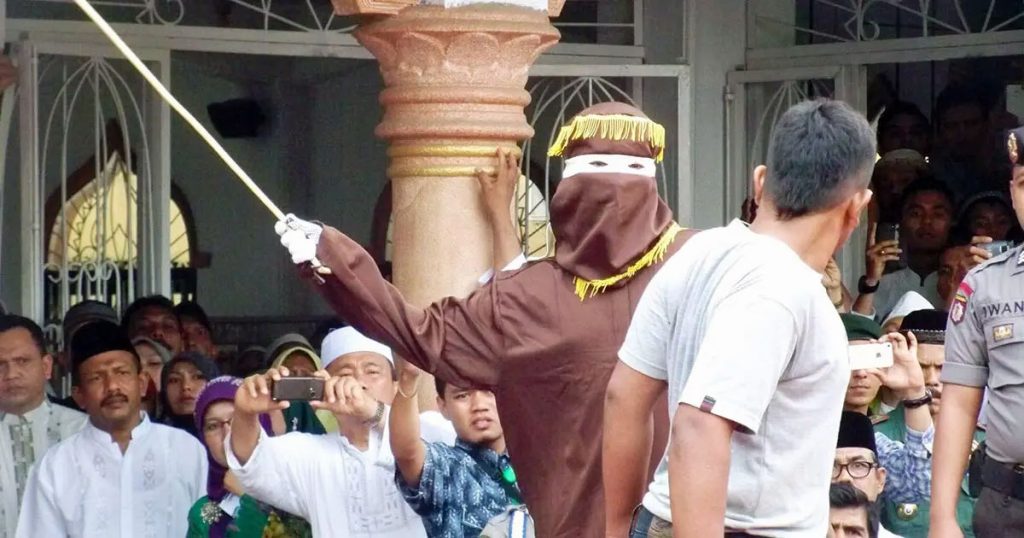
It reported widespread discrimination against LGBTQ people in Indonesians:
Since July 2026, the Ministry of Religious Affairs has begun developing educational materials aimed at preventing the “spread of LGBTQ culture” through religious education, counselling and public outreach, with dedicated teams coordinating materials across religious education directorates and implementation targeted from the 2026/27 academic year.
. More than 45 anti-LGBT regional regulations have been reported to remain in effect, while the new defence policy risks encouraging further restrictions at provincial and local levels.
Private gatherings of people perceived to be LGBTIQ have been repeatedly raided by authorities under broadly worded morality and pornography provisions.
In 2025 alone, police detained 56 people following a raid on a South Jakarta hotel in February, 75 people at a privately rented villa in Bogor in June, and 34 people were arrested then paraded publicly in Surabaya in October.
Authorities continue to monitor digital spaces to track down LGBTIQ communities in social media platforms; two men connected to a private Facebook group were arrested in East Java in June 2025 and the Ministry of Communication and Digital Affairs started investigation into five more groups in January 2026.
In June 2026, three people were named as suspects in Karawang after a video showing alleged same-sex public indecency at a nightclub circulated widely online.
Human Rights Watch reports discriminatory measures against LGBTIQ students in at least 10 public universities, with attacks exacerbated during Pride Month celebrations in June.
Arus Pelangi documented 94 cases of violence targeting LGBTIQ people, involving 141 victims, during 2024-2025.
There are viral videos circulating in Indonesian social media from vigilante groups targeting queer-presenting individuals; at least 10 transgender women have been targeted in three separate mob attacks in Bogor over the last two months, according to Amnesty International Indonesia.
Religious Affairs Minister Nasaruddin Umar has urgedthe public not to engage in vigilantism or persecution against LGBTIQ people, stressing that alleged violations should be addressed through established legal procedures rather than individuals taking the law into their own hands. However, the government stance that the “state retains the authority to restrict the exercise of certain rights in defense of broader interests, including public morality” continues to fuel stigma and violence in the society.


Annus Horribilis: After the grim revelations of 2025, what next?