

Prominent Senegal citizens fall victim to anti-gay sweep


Senegal’s anti-LGBTQ witch hunt racks up more than 100 arrests
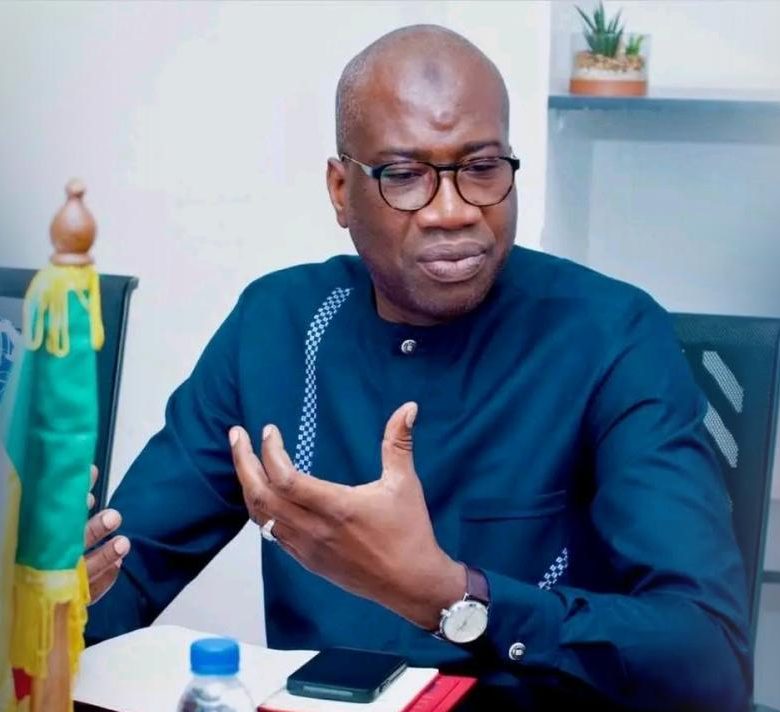
The status of human rights in Senegal is “grave and rapidly deteriorating”, says the LGBTQ rights organization Pan Africa ILGA (PAI)
Abuses of LGBTQ citizens’ human rights have piled up since March 31, when President Bassirou Diomaye Faye signed into law an amendment to Article 319 of the Penal Code, doubling the maximum prison sentence for same-sex relations from five to ten years and introducing sentences of between three and seven years for the “promotion” or “financing” of homosexuality.
This provision is widely understood as a direct assault on Senegalese civil society and advocacy organizations working on the rights of sexual and gender minorities, PAI said.
According to reports from PAI, The African Tribune, Reuters, Le Monde , DakarActu and Seneweb:
To date, authorities in Senegal have arrested more than 100 individuals on allegations of “acts against nature”. At least 80 people are in detention on homosexuality charges. Several are prominent citizens:
- Matar Ndiaga Seck, a close associate of Prime Minister Ousmane Sonko, was arrested on May 15 for alleged “unnatural acts”. The 51-year-old politician was apprehended at the airport as he was preparing to travel to Mecca to perform the Hajj pilgrimage. He was allegedly implicated in connection with the police investigated that led to the arrest of 22 individuals in mid-April for alleged homosexual acts in the Djoloff region in central Senegal.
- In early February, both popular TV presenter Pape Cheikh Diallo and singer Djiby Dramé were arrested on charges of “acts against nature”.
- In early April, police arrested religious singer Ass Dione, who was renowned for his melodic recitations of religious poems during the month of Ramadan.
- On April 2, police arrested a doctor from the National Blood Transfusion Center who had traveled to Blaise Diagne International Airport to try to flee the country.
Members of the LGBTQ community who remain in Senegal are living in fear. Many have fled abroad.
Dakar, the capital, has emerged as the epicenter of the repression, according to Le Monde. But arrests have been ongoing for months throughout the country.
- Five men were arrested for homosexual activity on Feb. 12 in the holy city of Touba, in west-central Senegal.
- Nine arrests in early April in the city of Saint-Louis in northwest Senegal, including Khadim Sèye — a master tailor and owner of Kemtane Fashion.
- Fifteen allegedly gay men and six alleged lesbians were arrested last week in Tambacounda in eastern Senegal after police uncovered what the press called a “vast network of homosexuals”.
The social and political climate, amplified by organised conservative pressure groups and a hostile media environment, has made open existence increasingly impossible for sexual and gender minorities in Senegal, PAI said.
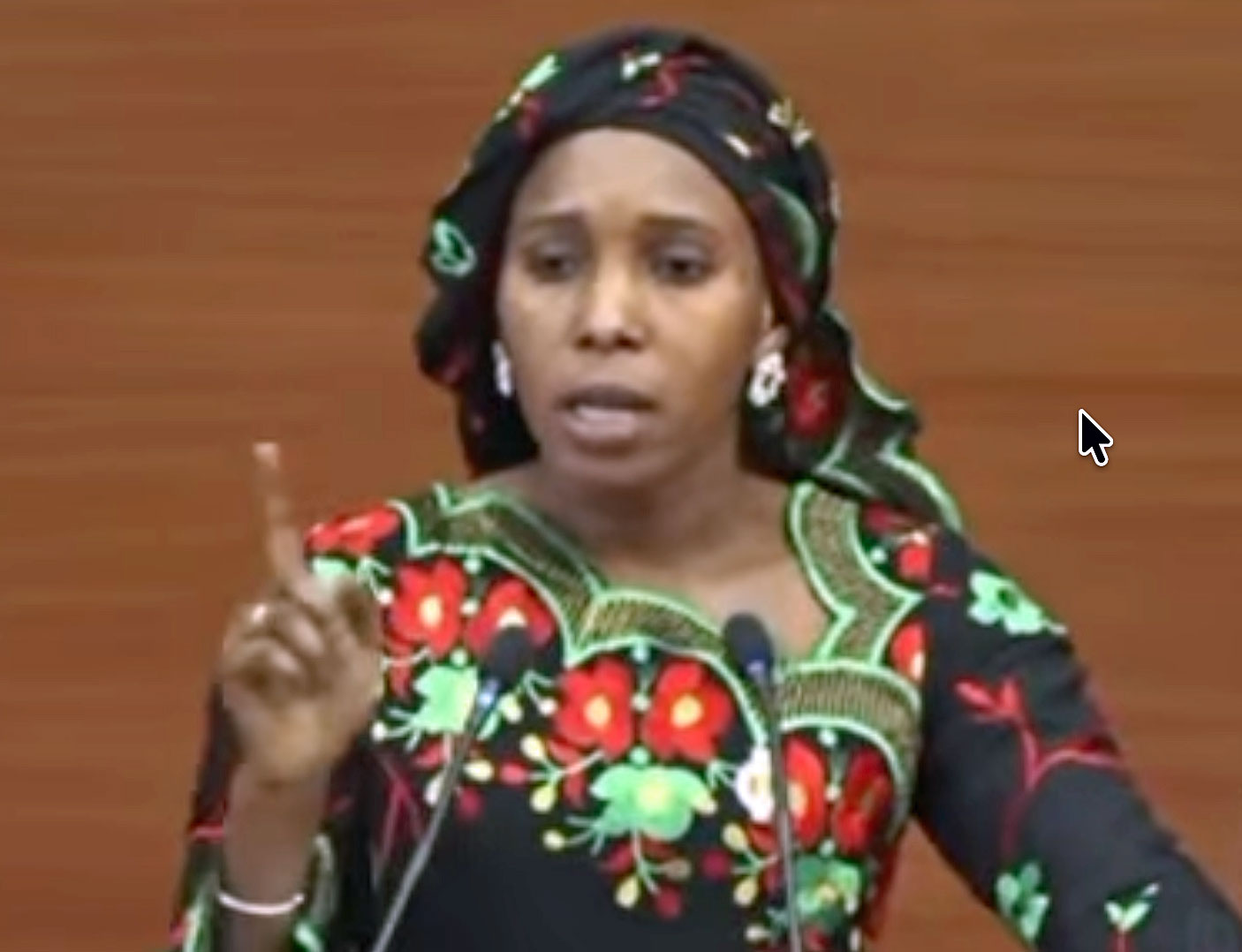
For homophobes, it’s an achievement that was promised before the country’s harsher anti-gay law was enacted. If the anti-gay bill is enacted, “homosexuals will no longer breathe in this country”, said Diaraye Bâ, a member of parliament from the ruling PASTEF party (African Patriots of Senegal for Labor, Ethics and Fraternity), during debate on the bill in March.
Leaders of the LGBTQ community are being forced into hiding or have fled abroad,
Many lawyers are shunning allegedly gay defendants, fearing potential reprisals against themselves or their loved ones, Le Monde reported.
The consequences extend beyond individual persecution.
HIV patients are skipping treatment, fearing arrest, Reuters reported. That response to Senegals anti-gay panic began even before the law was changed. A survey of HIV/AIDS treatment centers found a 25.6 percent drop in patient visits from 2,425 in January to 1,803 in February.
PAI added: “The disclosure of HIV status is being weaponised as a tool of persecution, and this is already undermining the country’s HIV programme. A public health crisis is being manufactured by this legislation. One that will affect the broader Senegalese population.”
The continent’s human rights watchdog — the African Commission on Human and Peoples’ Rights — has taken note of the crisis.

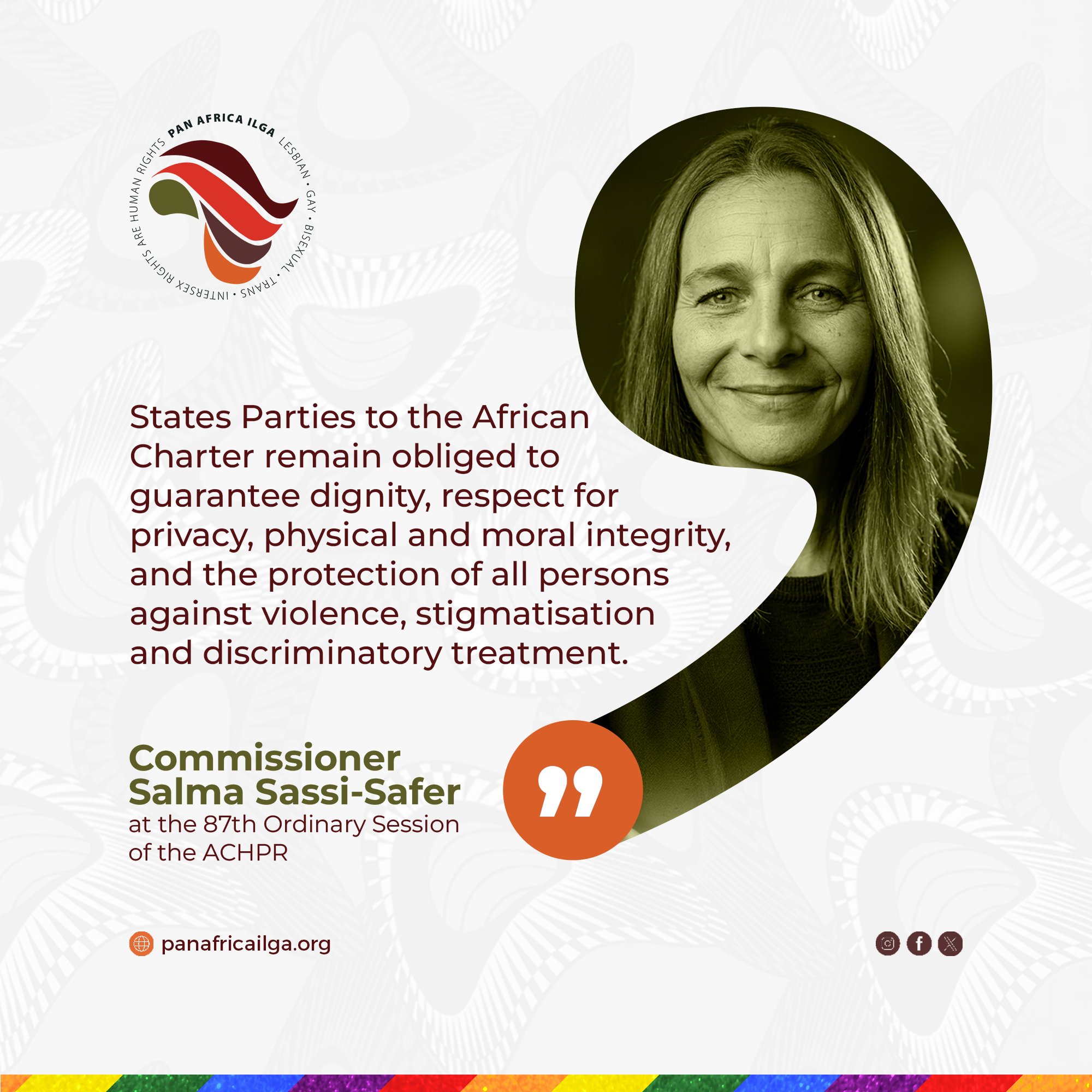
At its session in the Gambia in late April to early May, Commissioner Salma Sassi-Safer formally acknowledged the situation and reminded the Senegalese state of its obligations under the African Charter — to guarantee dignity, respect for privacy, physical and moral integrity, and the protection of all persons against violence, stigmatisation and discriminatory treatment. She urged Senegalese authorities to ensure that national legislative provisions remain consistent with regional and international human rights obligations.
“We echo that call”, PAI said. “We urge the government of Senegal to listen. … Pan Africa ILGA recognises the deep courage of communities and organisations continuing their work under these conditions. We stand with them.”


They are saying homosexuality is against “nature” when it occurs extensively in nature? Make that make sense. These people have lost the plot.