

Belarus adopts law against positive accounts of gay sex


With Russia in the lead, at least 19 nations outlaw ‘promotion’ of homosexuality
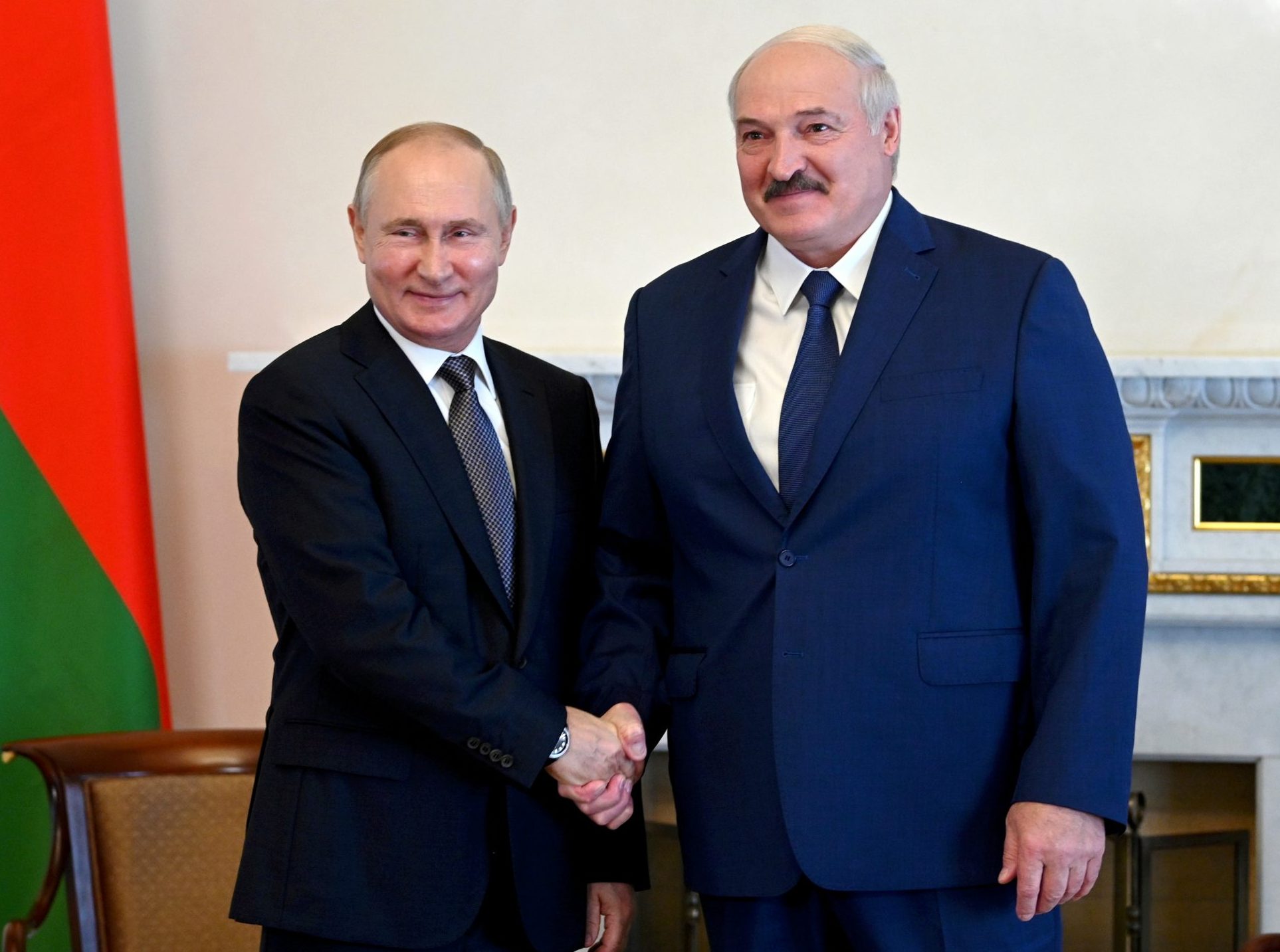
Russia’s strong ally Belarus this month adopted a Russian-style law banning publication of what it calls “propaganda” promoting consensual same-sex relationships and “gender reassignment”.
The new Belarus law even bans promotion of “childlessness” and makes no distinction between homosexuality and pedophilia.
The move “furthers the legal and political alignment between Belarus and Russia, which both seek to stigmatize minority groups, control public discourse, and suppress dissent”, according to Human Rights Watch.
By adopting the ban on “gay propaganda”, Belarus joins the ranks of at least 19 homophobic and repressive nations that have such laws.
Among those nations are:
- Russia — the most prominent example. Russia enacted its ban in 2013, at which point it only covered positive mentions of homosexuality in the presence of minors. In 2022, that prohibition was extended to cover all positive mentions of same-sex love in any traditional media, social media, advertising, or movies.
- Hungary — a ban on portrayal of homosexuality in the presence of youths.
- Kyrgyzstan — a 2023 law banning publications that “promote non-traditional sexual relations”.
- Nigeria — laws against same-sex intimacy and “promotion” of it.
- Libya — laws against same-sex intimacy and “promotion” of it.
- Burkina Faso — a 2025 law that criminalizes homosexuality and behavior “likely to promote homosexual practices.”
The LGBTQ+ Institute also cites these nations as having bans on promotion of homosexuality:
- Algeria;
- Egypt;
- Morocco;
- Somalia;
- Tunisia;
- Iraq;
- Iran;
- Jordan;
- Kuwait;
- Lebanon;
- Qatar;
- Saudi Arabia; and
- Syria
Lithuania also has law against promotion of homosexuality, although it is seldom enforced and has been challenged in court.
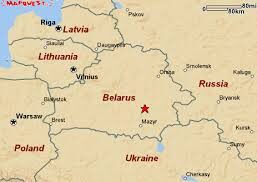
Belarus is located between Russia and Ukraine. (Map courtesy of istanbul-city-guide.com)The Belarus law, adopted on April 2 by the Council of the Republic of the National Assembly of Belarus and signed by President Alyaksandr Lukashenka on April 15, introduces Article 19.16 “Propaganda of homosexual relations, gender reassignment, childlessness, and pedophilia” into the Code of Administrative Offenses.
The new regulations prohibit the “dissemination in any form” of information aimed at fostering a positive attitude toward same-sex relations, gender transition, voluntary childlessness, or the acceptance of pedophilia. Violations of these prohibitions are punishable by fines, community service, or administrative arrest for up to 15 days.

Human rights experts working with the UN human rights agency said the new law “represents a dangerous escalation. It equates legitimate human rights activities with an administrative offense and may further provide grounds for persecution of already marginalized groups and their rights defenders.”
The experts said the law is misleading by linking legitimate expression with criminal acts such as pedophilia, thereby exacerbating stigma and hostility. The UN warns that the law’s vague and overly broad wording could lead to arbitrary application and further narrowing of civic space.
“By conflating human rights advocacy and information on sexual orientation, gender identity, and reproductive autonomy with administrative violations, the authorities are fueling bias and legitimizing discrimination,” the experts saiy.
They also warned that the new law could affect women and their sexual and reproductive health rights, “which are inalienable to their autonomy and dignity and constitute a prerequisite for their enjoyment of all other human rights.”


Stop using the word promote. You can’t promote a sexual orientation only talk about it. Rephrasung it makes it sound less compiratorial ffs