

Ghana’s Parliament may make anti-LGBTQ bill harsher during special session


Hardliners complain that the Ghana Parliament had weakened the bill before passage.
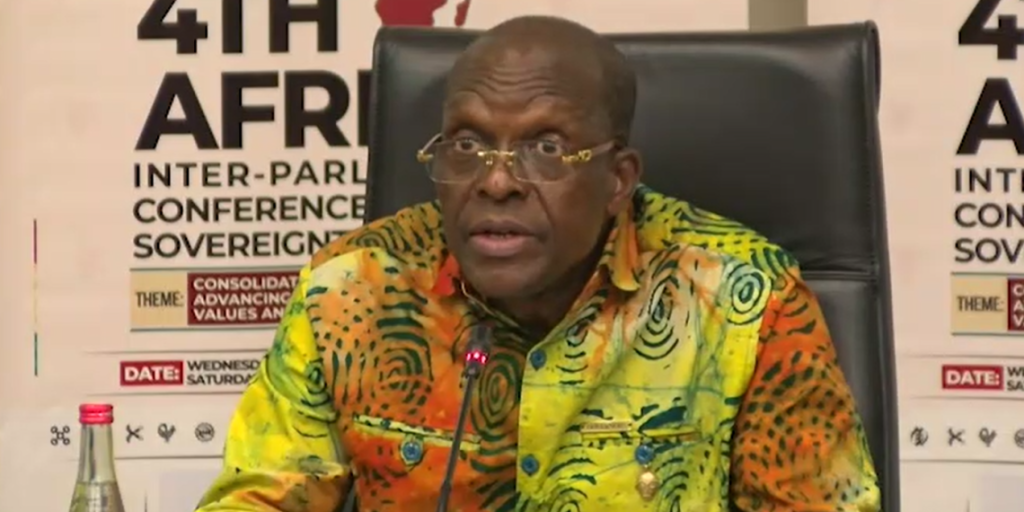
Last month, Alban Bagbin, the homophobic Speaker of Ghana’s Parliament, vowed that legislators would revise the nation’s harsh anti-LGBTQ bill before adjourning at the end of July. That didn’t happen.
He has now scheduled a time for them to try again.
He announced Thursday that Parliament will return from recess for a special session Aug. 24-28 to deal with unspecified “urgent parliamentary business”.
In late July, Bagbin had assured the nation’s Chief Imam, Sheikh Osman Nuhu Sharubutu, that Parliament would revisit and re-pass the bill before adjourning.
But, despite that vow to act on the bill, Parliament adjourned on July 31 for an indefinite recess without doing so.
Bagbin has said the prison sentences specified in three sections of the bill need to be changed, but has not provided any details.
Anti-LGBTQ hardliners have complained that the original bill was weakened by amendments that were adopted before tit was passed on May 29.
LGBTQ community members fear that Parliament may add harsher punishments to the already cruel version of the anti-LGBTQ bill, which has not been signed into law by President John Mahama.
What’s in the bill
The latest version of the bill calls for three years in prison for anyone who identifies as (“holds out as”) LGBTQ. It would allow LGBTQ people to avoid prison if they submit to counseling to try to change their sexual orientation or gender identity.

The bill would also impose a three-year prison term for people who:
- Participate in gender-reassignment surgery;
- Enter into a same-sex marriage; or
- Attend a same-sex wedding.
It would ban “funding, sponsorship or promotion” of LGBTQ activity, with prison terms ranging from three to five years
It would introduce a “duty to report” prohibited LGBTQ acts to a police officer or other authorities, with violators facing up to three years behind bars.
In a revision from the previous version of the bill, it would declare media, legal, and healthcare professionals who report on, represent or treat LGBTQ+ people to be exempt from prosecution for those activities.
It would keep Ghana’s current law that provides a three-year prison sentence for same-sex intimacy.

