

Eswatini’s top court demands official recognition of LGBT advocacy group


But will the Eswatini government obey the court’s order?
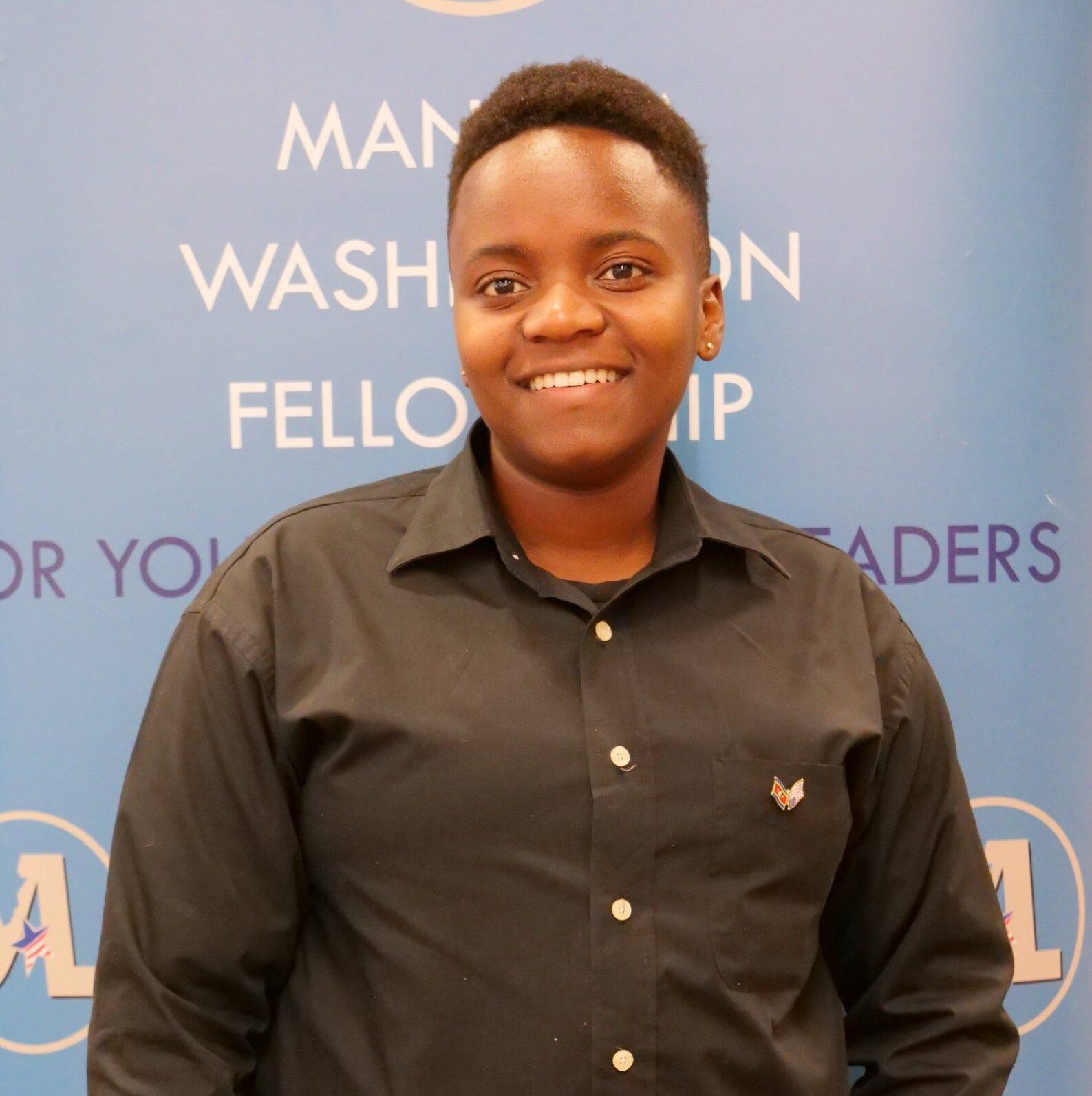
The Eswatini Supreme Court has ordered the nation’s government to officially recognize and register the LGBT advocacy group Eswatini Sexual and Gender Minorities (ESGM).
As the Kenyan online news service Streamline reported:
“Why does this matter right now? The Kingdom of Eswatini, formerly Swaziland, maintains strict colonial-era laws that criminalize same-sex relations.
“The refusal to register the advocacy group effectively stripped its members of their fundamental right to freedom of association, isolating them from public health funding, legal protection, and formal civic participation. The five-judge [Supreme Court] has now affirmed that constitutional rights apply equally to all citizens, regardless of their sexual orientation.”
The court gave the government 60 days to comply with its order.
Normally, that would put an end to a seven-year court battle, but the southern African nation, an absolute monarchy, has ignored such a court order in the past.
In 2023, the Supreme Court ruled unanimously that the refusal to register ESGM was unconstitutional, but the government still refused.
The Minister of Commerce, Industry and Trade in September 2024 declined ESGM’s application on the basis that Swazi “customary law does not recognize same-sex relationships”.
In August 2025, ESGM returned to court, challenging the Minister’s grounds for rejecting its application. That appeal reached a successful conclusion in the latest Supreme Court decision.

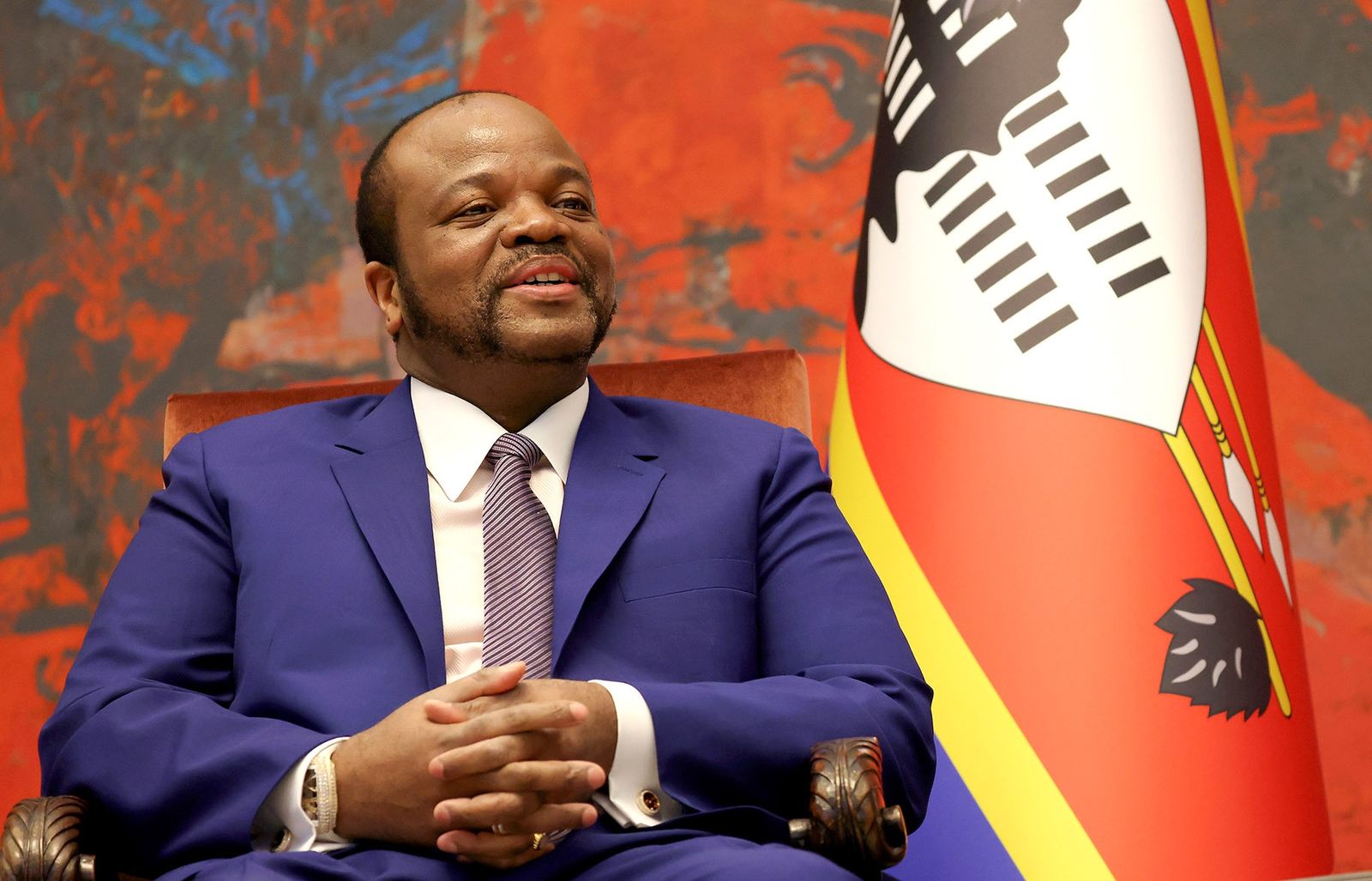
In a commentary, Amnesty International’s regional civic space researcher Khanyo Farisè wrote:
“In Eswatini, the struggle for LGBTI rights is also a struggle for civic freedom. As the government intensifies its attacks on civic space, LGBTI groups are once again being presented as a threat to culture and national identity. King Mswati III and other senior officials have repeatedly denounced LGBTI people in the name of preserving “Swazi culture”. In his address at an Easter prayer gathering earlier this year, King Mswati made it clear that LGBTI people have no place in Eswatini under his reign. This echoed earlier sentiments by the Swazi minister of education calling for LGBTI children to be expelled from schools.”
Streamline added: “As the 60-day deadline approaches, the executive branch faces a defining test of its commitment to the rule of law. The world is watching to see whether the Kingdom will honor the highest court in the land, or if it will seek new administrative loopholes to suppress its most vulnerable citizens.”

