

Indonesia parliament considering dangerous ban on LGBTQ content


New proposal would ban LGBTQ content in Indonesian TV, radio, and online
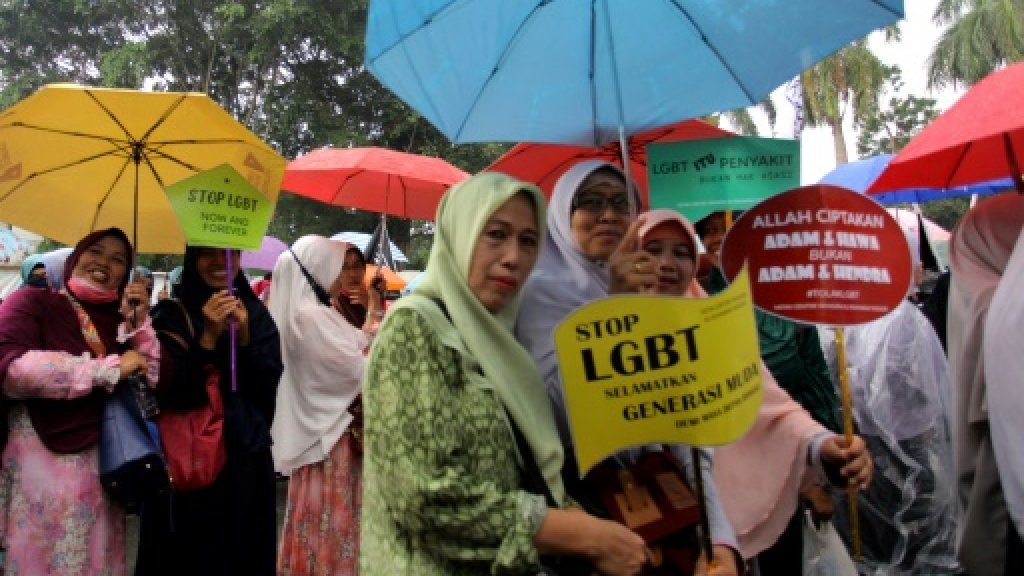
Indonesia’s parliament is debating a bill that would ban LGBT+ content on TV, radio and the internet. The online advocacy site All Out is urging people to sign a petition opposing the legislation:
A new bill in Indonesia would massively expand censorship of LGBT+ content online. Tell lawmakers to reject this dangerous legislation now!
In Indonesia, simply being visible as an LGBT+ person is already an act of courage. Now, lawmakers are pushing a bill that would make it even harder for LGBT+ people to exist safely online.
The proposed Broadcasting Bill would expand the authority of the Indonesian Broadcasting Commission to censor not just TV and radio, but also digital platforms like YouTube, Instagram, and TikTok. For the first time, LGBT+ content would be explicitly banned from the internet – a move that threatens freedom of expression and silences an already marginalized community.
Proponents say it’s about “protecting children,” but in reality, it’s about erasing LGBT+ lives. Activists warn that this bill, paired with a new military law and other proposals increasing internet surveillance, would open the door to increased harassment, arrests, and discrimination against LGBT+ people.
There’s still time to stop it. Lawmakers are debating the bill now. Join us to demand the Indonesian government reject the Broadcasting Bill and protect the fundamental rights of all people – including LGBT+ Indonesians – to speak, connect, and live freely.
To Speaker of the Indonesian House of Representatives and members of the Indonesian Parliament:
We, the undersigned, call on the Indonesian government to reject the proposed Broadcasting Bill that seeks to expand censorship to digital platforms and explicitly prohibit content representing LGBT+ people.
This legislation would severely undermine fundamental freedoms, including the right to freedom of expression, and further endanger LGBT+ communities already facing discrimination, violence, and arrest.
We demand that the Indonesian Parliament:
- Reject the Broadcasting Bill in its current form, especially any clauses that criminalize or ban LGBT+ content.
- Uphold Indonesia’s constitutional guarantees of freedom of speech and access to information for all citizens.
- Ensure that any future legislation protects the rights and dignity of all Indonesians, including LGBT+ people.
This law would not protect children – it would harm countless people by fueling stigma and fear. Let’s stand together to say: censorship is not protection, and LGBT+ rights are human rights.
As of publication date, more than 19,000 people have signed the petition.
What would the impact be?
Indonesian lawmakers have been considering the Broadcasting Bill for months. This is modestly edited version of an analysis of the legislation that the Thomson Reuters Foundation published last year.
Indonesia’s parliament is debating a bill to ban LGBTQ+ content online which, if passed, could lead to job losses in the media and social media industries, while also restricting the community’s access to specialised services such as health.
The third-largest democracy in the world is a big market for digital platforms with 143 million active social media users — more than half of its population. While LGBTQ+ visibility on social media has increased in Indonesia over the past few years, activists say digital threats are on the rise.
Here is what you need to know:
What is it like to be LGBTQ+ in Indonesia?
Homosexuality is a taboo subject in Indonesia where around 90% of its 280 million inhabitants are Muslim and conservative religious groups wield significant influence in politics.

Although same-sex relations are only criminalised in two provinces, Aceh and South Sumatra, most Indonesians hold negative views of LGBTQ+ people – with 92% of them saying in a 2023 survey that they opposed gay marriage.
While LGBTQ+ visibility has increased in the country over the past few years on platforms like YouTube and TikTok, Indonesia has been cracking down on LGBTQ+ content in broadcast and digital media since at least 2008 with measures it says are aimed at fighting pornography and protecting minors.
Between 2016 and 2020, Indonesian authorities blocked at least 169 websites and apps targeting LGBTQ+ users – including gay dating app Grindr, Facebook pages and other online groups – saying they were targeting “pornographic immoral content.”
Indonesia’s laws against pornography are also often used to crack down on LGBTQ+ people outside digital spaces.
Police arrested 56 men in February [2025] in what they described as a “gay sex party” in the capital Jakarta, three of whom could face up to 15 years in jail on charges of breaching pornography laws.
Lawmakers are discussing an amendment to the country’s broadcasting law that would widen the Indonesian Broadcasting Commission’s power to censor digital content, from social media to streaming platforms, as well as TV networks.
The legislation would ban LGBTQ+ “behaviour” or “negative behaviour or lifestyles that potentially harm the public” and advocates of the bill say it will protect children.
Those who fail to comply with the proposed restrictions could face fines and their licenses could be revoked.
It is not clear when the bill – which was first introduced in 2024 but later postponed – could be passed, and it is being debated at the same time as another draft law to broaden the police’s ability to control and restrict internet access.
What do LGBTQ+ activists say?
LGBTQ+ campaigners say the bill could not only erase sexual and gender minorities’ representation in digital media, but also lead to job losses and restrict their access to specialised services aimed at tackling stigma and discrimination.
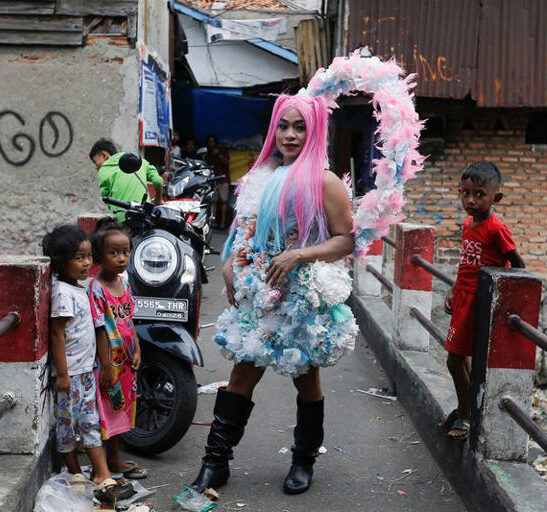
For example, a 2016 law censoring LGBTQ+ content on radio and television led to many trans people losing their jobs in the entertainment industry, according to Sanggar Swara, an Indonesian trans rights group.
“The media industry is often a source of income for many LGBTI people, especially trans women – they work as make-up artists, fashion designers, stylists,” said Carahanna Marianne Schlovenn, a programme manager at Sanggar Swara.
LGBTQ+ content creators on video sites like YouTube and TikTok, which have 140 and 125 million users in Indonesia respectively, could also be hit.
Activists say online violence and harassment against LGBTQ+ Indonesians has been rising for years – and the law is only likely to exacerbate this at a time when many LGBTQ+ groups are struggling to stay afloat after the U.S. foreign aid freeze.
Many Indonesian LGBTQ+ charities such as Arus Pelangi have set their Instagram profiles to private to protect their work and members from being targeted.
Should LGBTQ+ content be banned from digital platforms, many non-profits may have a harder time advertising their services and reaching those most at risk, said Nono Sugiono, chairperson of Arus Pelangi.
These services range from education and awareness campaigns for the wider public to trainings aimed at trans women struggling to find jobs outside of sex work, as well as HIV prevention services for gay and bisexual men.

