

Cameroon’s LGBTI community in peril as leaders flee


Depleted queer leadership in Cameroon exacerbates effects of deep funding cuts
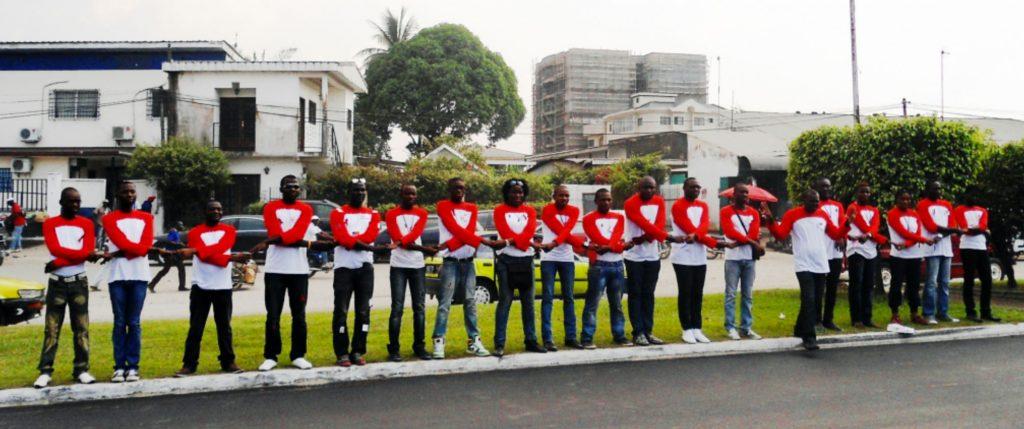
The LGBTI community in Cameroon is experiencing an unprecedented crisis caused by the departure of many strong leaders, a decline in funding, and the absence of institutional support. These combined factors threaten the survival of local initiatives and jeopardize the gains achieved through long struggles.
The role of activists: pillars of resistance
LGBTI advocates have been the voices, the shields, and the driving force of change. Their presence on the ground guaranteed the visibility of sexual and gender minorities, access to spaces for dialogue and protection, and the capacity to advocate with institutions. Their departure, often motivated by forced exile, activist fatigue, or the search for safety, leaves a considerable void in the associative fabric.
Among the recent losses are about 10 LGBTI rights advocates currently living in Europe and the United States. In addition, around 20 LGBTI activists have resigned their positions without emigrating from Yaoundé, Douala, and Bertoua, where they had been working for the community for several years. In all these instances, the activists’ names are being withheld out of concern for their safety and that of their families.
Last year, following a police raid, health authorities ordered the closure of the LGBTI rights organization Alternatives-Cameroun, leaving approximately 1,800 HIV-positive individuals without antiretroviral treatment in Douala. As a result of this harassment, the activists resigned, and the organization closed its doors.
“We have lost key figures, including the valiant members of Alternatives Cameroun and many others who inspired and protected us. Today, young activists feel alone, without guidance, and fear pervades our spaces,” said Lobe (pseudonym), an LGBTI community leader in Douala.
This fragility is compounded by a financial crisis. International and local funding, once essential for supporting health, awareness, and advocacy projects, has declined sharply.
According to the International Monetary Fund, humanitarian aid to sub-Saharan Africa fell by approximately 42% in 2025 compared to 2024.
France reduced its official development assistance (ODA) by 10.9% between 2024 and 2025, a decrease of US$1.7 billion.
Organizations are struggling to maintain their activities, drastically reducing their capacity to meet community needs.
One transgender organization, Transigeance in Yaoundé, has closed its center due to a lack of funding.
In Bafoussam, the LGBTI-friendly Association of Young People of the West has disappeared.
“Donors are gradually withdrawing. We no longer have the resources to organize workshops or support those who have been arrested. The community is dying in silence,” said Eko (pseudonym), an LGBTI community leader in Yaoundé.
“Without support, we are exposed to violence and stigmatization. Funding is no longer sufficient, and many are giving up the fight. Yet, our lives depend on this struggle,” said Kamy (pseudonym), a trans activist in Bafoussam.
These are some of the direct consequences:
• Weakened advocacy: fewer voices to defend rights and challenge decision-makers.

• Reduced services: limited access to healthcare, prevention, and safe spaces.
• Increased isolation: Community members feel abandoned and invisible.
• Risk of regression: Gains achieved through long struggles are threatened.
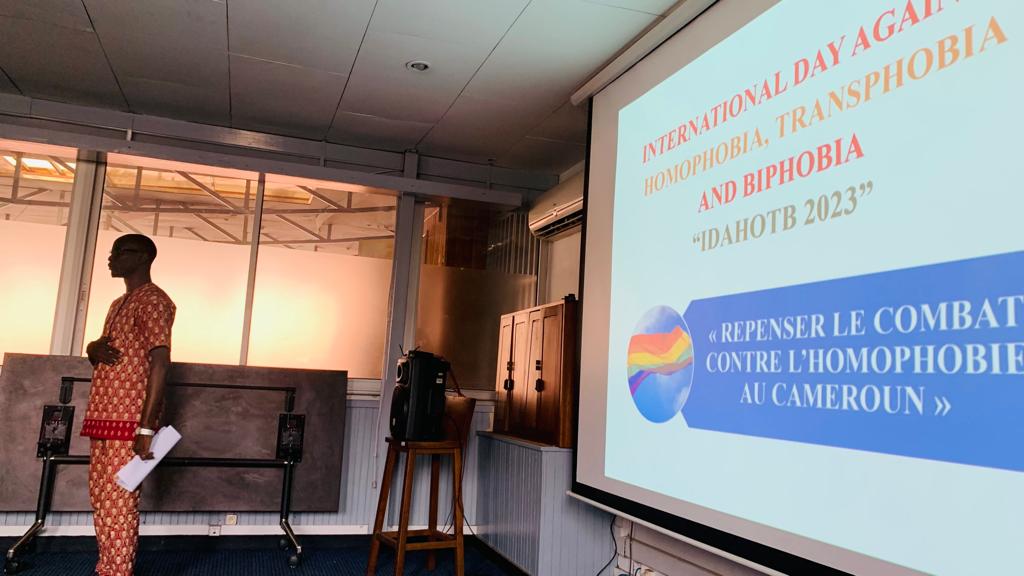
Author’s comments: Towards a necessary revitalization
To prevent the LGBTI community from fading into silence, it is essential to implement a revitalization strategy structured around several key areas. First, local capacities must be strengthened by training new leaders capable of taking over. For example, community leadership workshops could be organized for young activists, enabling them to acquire skills in advocacy, project management, and communication. This would help fill the void left by activists forced into exile.
Next, it is crucial to diversify funding sources to reduce dependence on traditional donors. Beyond international funding, partnerships with local businesses committed to human rights or online fundraising campaigns could provide financial stability. For example, a crowdfunding platform dedicated to LGBTI health and awareness projects could mobilize the diaspora and international allies.
Furthermore, the creation of sustainable support mechanisms is essential to ensure the continuity of initiatives and protect activists. This could take the form of safe community centers, offering a meeting space, psychosocial support, and legal assistance. These structures would serve as a refuge and a point of reference for marginalized people.
Finally, it is necessary to strengthen regional and international networks to support those working on the ground and maintain pressure on institutions. For example, transnational coalitions could coordinate advocacy campaigns with African and international bodies, while also providing technical and financial support to local organizations.

