

U.K. says arrestees helped straight Bangladeshi asylum-seekers pretend to be gay


Dozens claimed returning to homophobic Bangladesh would put their lives at risk.
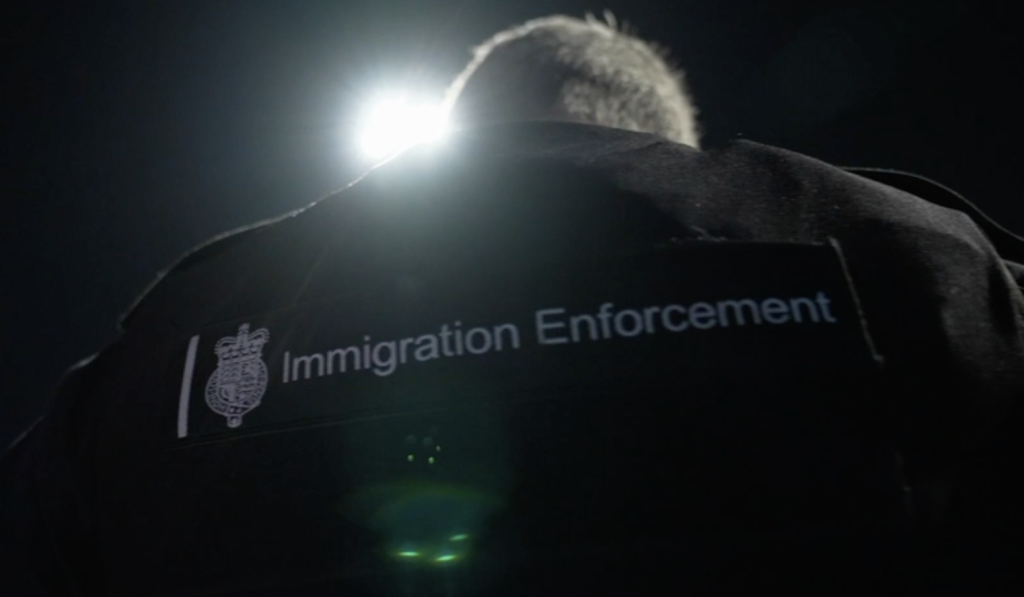
British immigration police are cracking down on a suspected criminal network believed to be behind dozens of fake asylum claims from straight Bangladeshi people pretending to be gay so they can claim that returning home to Bangladesh would put their lives at risk.
It’s a scam that has “devastating consequences for genuine LGBTQI+ asylum seekers”, said Shahanur Islam, the founder/president of the human rights advocacy group JusticeMakers Bangladesh in France (JMBF). (See his statement below.)
The Oct. 6 arrests were reported by the BBC:
Three arrested after raid on gang accused of helping migrants pretend to be gay to get asylum
Immigration enforcement [in London] have made arrests in connection with a suspected criminal network believed to be behind dozens of fake asylum claims from people pretending to be gay.
Those targeted by Home Office immigration enforcement officers on [Tuesday, Oct. 6] are accused of charging migrants up to £4,500 for fabricated evidence, including staged photographs and fake documents.
They are thought to have aided dozens of asylum claims from Bangladeshi men, claiming they would be in fear for their lives if they returned home.
Two people were arrested at addresses in London on Tuesday on suspicion of fraud and immigration offences, with Home Office officers also seizing phones, jewellery and thousands of pounds in cash.
A third person was arrested on suspicion of being in the country illegally.
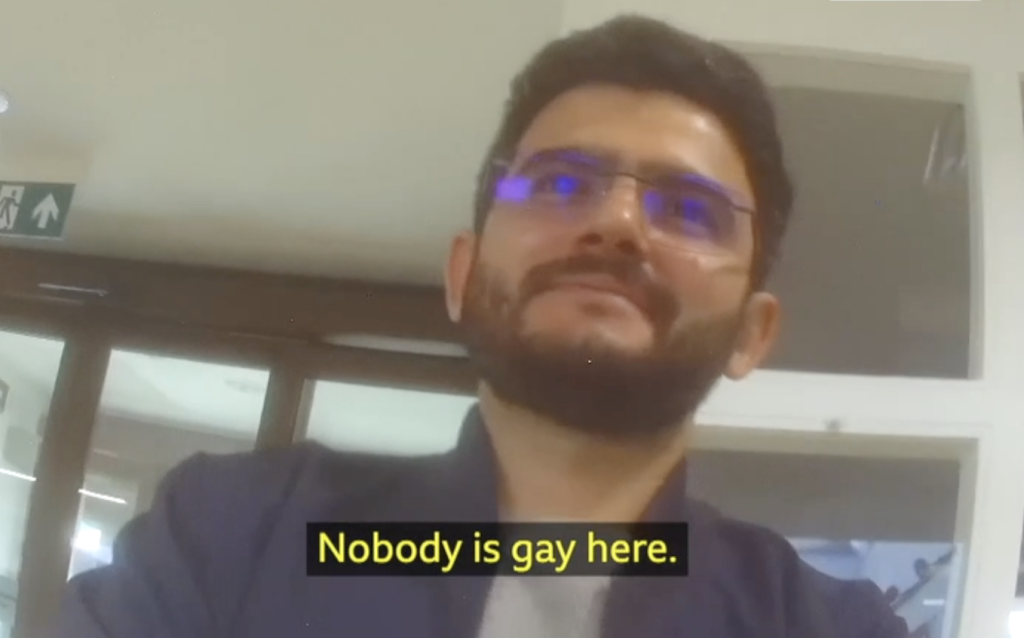
It follows a BBC investigation earlier this year, which revealed that law firms and advisers were helping migrants pose as gay in an effort to get asylum.
Chris Foster, a regional lead for criminal investigations at the Home Office, said Tuesday’s arrests were over separate fake claims connected to a Bangladeshi community LGBT organisation called Apanjon, which is based in Whitechapel, east London.
He said asylum caseworkers had initially spotted patterns in suspicious claims, which raised concerns about the group, and that immigration officers had been investigating for several months.
“We’ve got some intelligence that they can provide fake letters and documents, and they could charge anywhere between £1,000 and £4,500,” Foster said.
“It could be letters of support from Apanjon, it could be staged photographs, suggesting that these people are gay, it could be letters from people claiming to be in a friendship or a sexual relationship – [a] same-sex relationship – as the claimants.”
More than 100 asylum claims linked to the criminal network are being reviewed by the Home Office. Foster said some of the fake asylum applications would have “undoubtedly” been granted.
Immigration judges have previously criticised evidence from Apanjon as unreliable or not credible and found that an applicant who claimed to have attended the group’s events had submitted staged photographs.
The Home Office said the group would often vouch for men who claimed asylum on the basis they were gay only after having initially been refused on political grounds. In one case, a man didn’t raise his sexuality until nine years after his original claim.
The group is accused of using the same tactics as those pushed by advisers exposed in the BBC’s investigation earlier this year.
A Home Office spokesperson said it was continuing to review asylum claims linked to that reporting, which led to two arrests in May.
In the BBC report, published in April, an adviser called Tanisa Khan told an undercover reporter she could provide a “comprehensive package”, including photographs at gay clubs and other supporting evidence.
She was linked to a community group called Worcester LGBT, which she told the reporter they should attend in order to add to evidence for his fake claim.
Men attending one of the group’s events at a community centre in Beckton, east London, claimed they were not really gay. One said: “Nobody is a gay here. Not even 1% are gay. Not even 0.01% are gay.”
The investigation also revealed how bogus medical conditions and fake news websites were being used to bolster fraudulent asylum claims.
Worcester LGBT has since closed. Its founder previously said the group did not create or support fabricated evidence in asylum claims and it was not up to the organisation to determine whether any individual was actually gay.
Khan blamed communication difficulties for a “misunderstanding” and denied advising the reporter to make a false claim or offering to create fabricated evidence.
Home Secretary Shabana Mahmood said “those faking persecution are beneath contempt and mock real victims who need protection”.
“To the gangs profiting from this disgraceful fraud: you will be prosecuted, stripped of your dirty money and shut down,” she said.
“And to those cheating the system, your claim will be thrown out, and you will be removed from this country.”

A conviction for asylum fraud carries a maximum sentence of up to 10 years in prison.

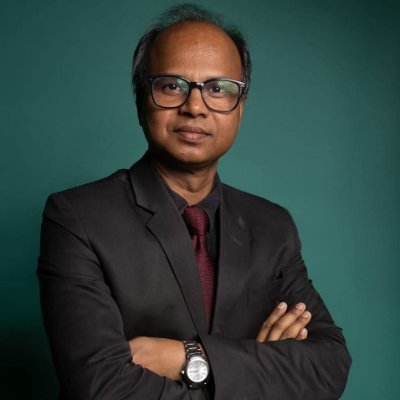
Comments from Shahanur Islam, founder president of JusticeMakers Bangladesh in France:
Thank you for reaching out and seeking my comments on the BBC’s investigation into alleged fraudulent LGBTQI+ asylum claims in the United Kingdom.
As Founder President of JusticeMakers Bangladesh in France (JMBF), I am deeply concerned by these allegations. I strongly condemn any deliberate fabrication of evidence, false claims of LGBTQI+ persecution, or organised exploitation of asylum procedures. Those found responsible through fair and independent investigations should be held accountable.
However, I believe this issue is not limited to the UK. Similar concerns about individuals from Bangladesh, Pakistan and other countries falsely presenting themselves as LGBTQI+ and producing fabricated evidence to obtain asylum deserve attention in France, Germany, the United States, Canada, Australia and other refugee-receiving countries.
Such fraudulent practices can have devastating consequences for genuine LGBTQI+ asylum seekers. Individuals who have actually experienced persecution may face increased suspicion, unfair credibility assessments and even rejection of legitimate asylum claims, while some applicants relying on fabricated evidence may succeed in obtaining protection. The scale of this problem requires further independent investigation.
Regarding Apanjon and Worcester LGBT, I have no personal acquaintance, direct contact or professional association with either organisation. My knowledge of the allegations comes exclusively from the BBC reports. Therefore, I cannot independently verify their alleged involvement, although I believe the accusations warrant thorough and impartial investigation.
I strongly believe that asylum authorities in the UK, France, Germany, the USA, Canada, Australia and elsewhere should consult credible human rights organisations, such as JMBF, that directly document LGBTQI+ persecution in countries of origin.
Our experience monitoring and documenting LGBTQI+ human rights violations in Bangladesh could provide valuable country-specific information to help authorities assess persecution claims more accurately, identify potentially fabricated evidence and protect genuine refugees. Such consultation should respect confidentiality, individual rights and the independence of asylum decisions.
Fraudulent asylum claims must be investigated and prevented, but genuine LGBTQI+ victims of persecution must never be denied protection because others have abused the system.
I would be pleased to provide further information about LGBTQI+ persecution in Bangladesh and JMBF’s human rights monitoring activities.
For more information about LGBTQI+ persecution in Bangladesh, see the Erasing 76 Crimes archive of articles about Bangladesh.
