

Senegal Court blocks constitutional ban on same-sex marriage


Queer people are collateral damage in constitutional power struggle
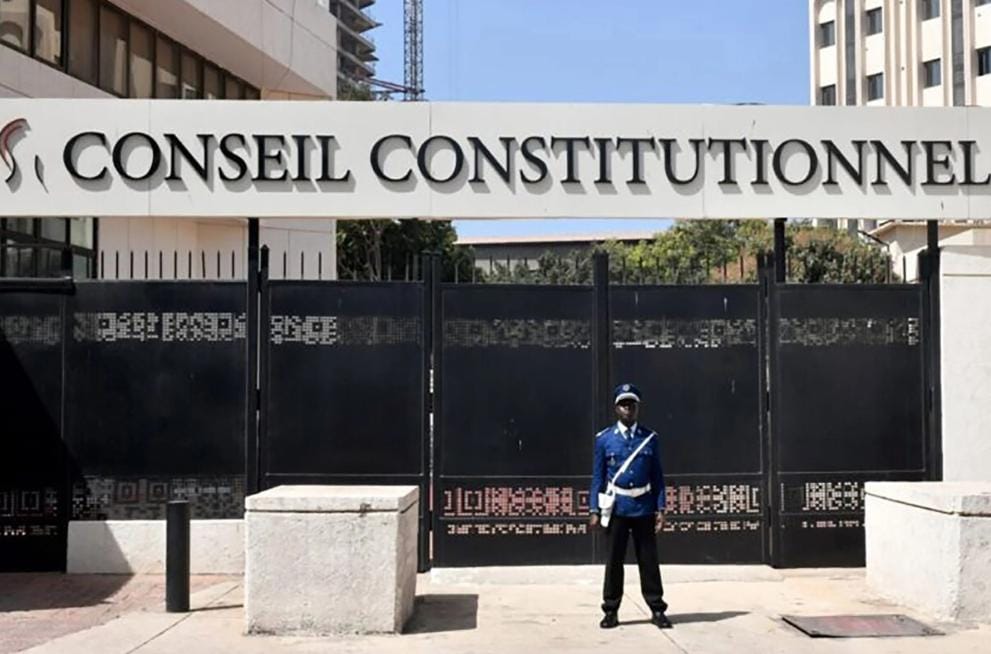
A bill to amend Senegal‘s constitution that was passed last month by a unanimous vote in the National Assembly was struck down by the Constitutional Council on Thursday 9 July.
The now-scrapped bill would have amended Article 17 of the Constitution to specify that marriage could only be a union between a man and a woman, thereby legally excluding same-sex couples and marginalising intersex people.
The bulk of the bill concerned a new framework for the balance of power between the executive branch and parliament. The court challenge was filed on behalf of the president, who objected to the procedure used to adopt the amendments, and the impact some of the amendments would have had on executive power and state finances.
Now, that the amendment has been blocked, the LGBT+ communities find themselves, through no fault of their own, at the centre of a power struggle between President Bassirou Diomaye Faye and the Ousmane Sonko, who is Speaker of the National Assembly and the leader of the Patriots of Senegal (PASTEF) party that controls a majority of parliament.
Sadio (a pseudonym), a Senegalese man living in Dakar who is a keen observer of public life there, analyses the situation:
A symbolic setback for a homophobic agenda
Erasing 76 Crimes: What has happened?
Sadio: On Thursday, the Senegalese Constitutional Council vetoed the wide-ranging institutional reform bill aimed at establishing a parliamentary system following the 2024 general election, at the end of the final term of office of the former President of the Republic, Macky Sall.
Among the two grounds for the veto is the fact that provision had not been made in the budget for the creation of the future Constitutional Court. Furthermore, the government was reportedly prevented from submitting its observations through the channels normally provided for in the event of a constitutional overhaul.
Yet one of PASTEF’s key objectives was to have the heterosexual nature of marriage enshrined in the Constitution, thereby making any future societal change contingent upon a necessary constitutional amendment. Today, this aim has also been thwarted, along with the rest of the reform.
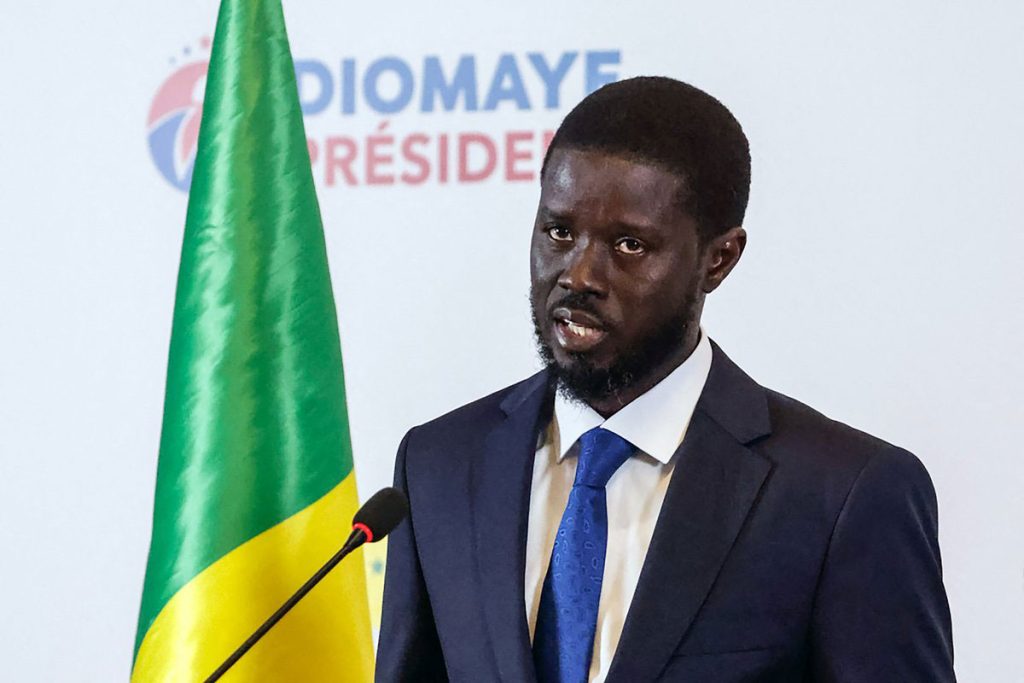
Erasing 76 Crimes: Are the members of the Constitutional Council objective allies of the LGBT+ communities in Senegal?
Sadio: For the far right, reactionary and very conservative figures, certainly, but this annulment by the Constitutional Council – the second in three months – also highlights a certain inertia within the Senegalese political system, playing into the hands of the current president, Bassirou Diomaye Faye.

It is important to note that the seven members of the Constitutional Council are all appointed by presidential decree and each owes their current prominent position to Macky Sall, the former president and political opponent of Ousmane Sonko.
Had the reform been passed, Bassirou Diomaye Faye would have had a more ceremonial role as Head of State, whilst the exercise of power would have been entrusted to a Prime Minister drawn from the parliamentary majority and accountable to the representatives of the nation, including Ousmane Sonko, in a system akin to cohabitation [Ed note: “Cohabitation” is a term used in French politics when the President and the majority coalition in Parliament represent different parties].
We are witnessing a rift at the very top of the state between the President of the Republic and the former Prime Minister, now Speaker of the unicameral assembly – both of whom are members of PASTEF – over campaign promises to redefine the role of the executive, made whilst they were in opposition and seeking to defeat Amadou Ba, Macky Sall’s political heir.
Amidst all this, LGBT+ people are left to watch as the workings of the state grind to a halt, when they are not themselves the subject of new coercive legislative proposals.
In any event, the opinion of the Constitutional Council, to which the Head of State referred the matter, now prevents the current version of the text – which includes a section explicitly banning marriage for all – from being put to a referendum, as Bassirou Diomaye Faye had previously suggested. In any case, even before this constitutional proposal, there has never been any same-sex marriage in Senegal.

