

Two years in prison for homosexuality in West Africa


West African nation of Burkina Faso begins enforcing its new anti-LGBTQ law
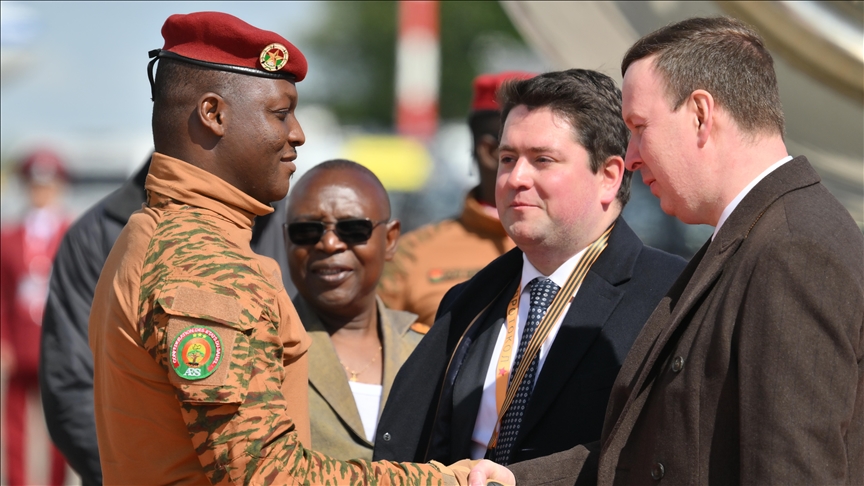
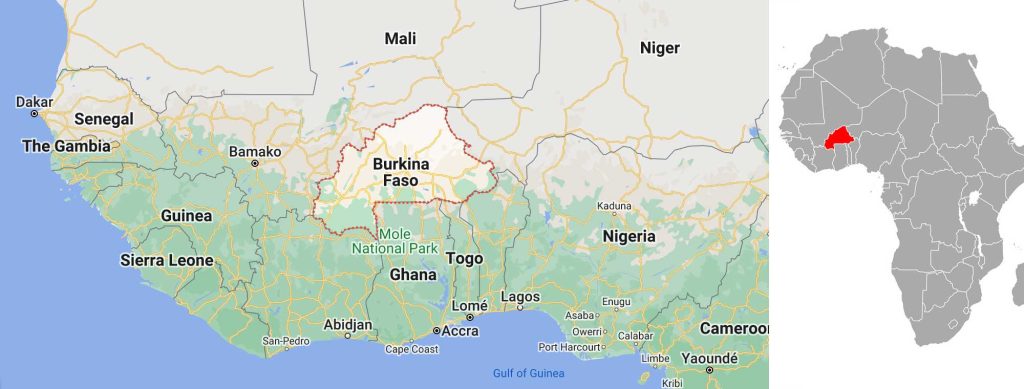
Three months after the West African nation of Burkina Faso enacted a law against gay sex, it military-dominated government has sentenced the first man for violating that law and sentenced him to two years in prison.
The LGBTQ rights blog O-blog-dee reported earlier this month:
Burkina Faso: First Known Conviction Under New Anti-LGBTQ Law
By Melanie Nathan
The African Human Rights Coalition (AHRC) has received confirmation of a case in Burkina Faso in which a foreign national was convicted under the country’s newly enacted anti-LGBTQ provisions. According to publicly available information released by the Burkina Faso Ministry of Justice, the individual identified as K.M. was sentenced to 24 months’ imprisonment, a 2,000,000 CFA franc fine [about U.S. $3,572], and ordered expelled from Burkina Faso following completion of the sentence.
The Ministry’s statement notes only that the individual was charged with “homosexuality and related practices” under Article 210-3 of Law No. 012-2025/ALT, a new legal provision passed on 1 September 2025 that criminalizes consensual same-sex conduct with up to five years in prison and substantial fines. No additional case details were provided by authorities.
AHRC expresses grave concern over this conviction, particularly given the sweeping and vague language of the new law, its application against a vulnerable foreign national, and the penal severity including post-sentence expulsion. This represents the first known enforcement of the 2025 criminalization statute and marks a significant escalation in the legal persecution of LGBTQI+ people in Burkina Faso.
Nathan, with is the executive director of AHRC and an attorney who testifies about anti-LGBTQI+ conditions in immigration cases, described the situation in Burkina Faso:
The conviction of K.M. under Article 210-3 must be understood within the broader context of rapidly deteriorating conditions for LGBTQI+ individuals in Burkina Faso. The 2025 legislation represents the country’s first codified criminal prohibition of consensual same-sex conduct, enacted amid rising social hostility, entrenched religious conservatism, and the destabilizing effects of armed conflict and displacement.
Public discourse has increasingly framed LGBTQI+ people as threats to national identity and morality, and state-aligned media have amplified narratives portraying sexual and gender minorities as criminal or foreign influences. The use of the law to prosecute a foreign national followed by a mandatory expulsion order demonstrates both the government’s commitment to enforcing the statute and the power imbalance faced by migrants, asylum seekers, and internally displaced persons who already suffer from limited legal protections.

In this environment, LGBTQI+ individuals face a near-total absence of safe reporting avenues, heightened risks of arbitrary arrest, extortion, sexual violence, and police abuse, and no viable prospect of state protection. The K.M. case provides concrete evidence that the law is operative, enforced, and capable of producing severe consequences, underscoring that LGBTQI+ individuals in Burkina Faso live under an imminent and well-founded threat of persecution.
The AHRC stated further:
It is important to note that criminalizing laws serve as a catalyst for violence and a myriad of harms to LGBTQI+ people, even if not strictly enforced.
AHRC is monitoring developments closely and calls upon the international community to urgently assess the human rights implications of this new law and its enforcement.

