

Cameroon won’t allow trans people to update gender on national ID


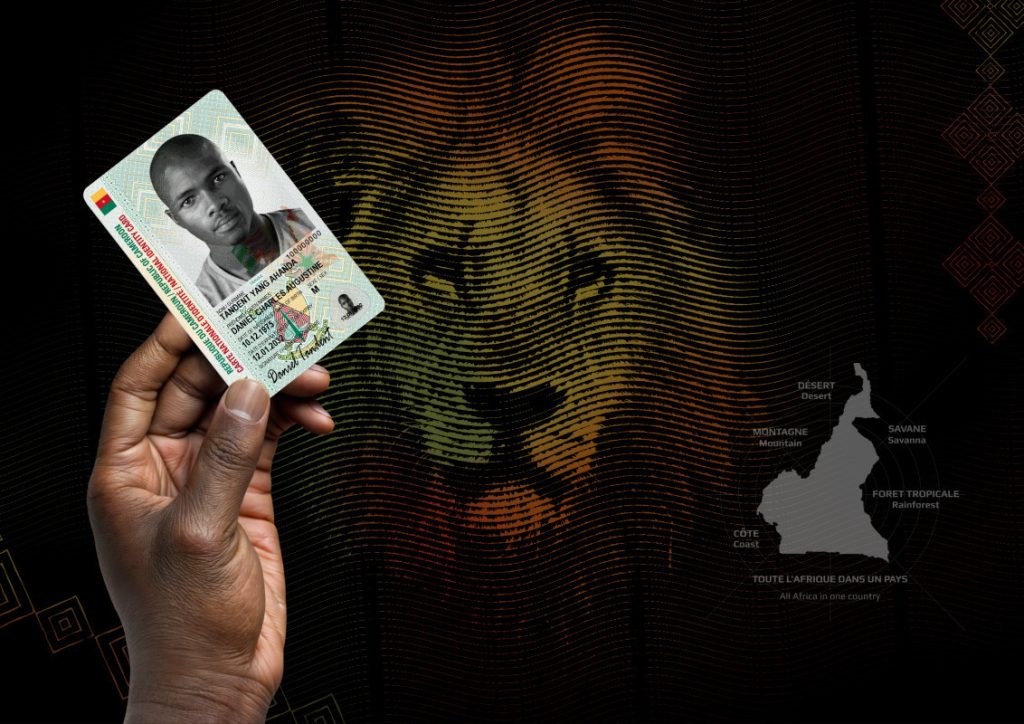
National ID Cards are required for jobs and services in Cameroon
By Steeves Winner
In Cameroon, the National Identity Card (CNI) is an indispensable document. It serves as a prerequisite for accessing public services, formal employment, and freedom of movement. However, for transgender people, this document all too often becomes an instrument of exclusion and stigmatization.
Cameroonian legislation provides no mechanism for the legal recognition of gender change. The information inscribed on the CNI—name, sex, and photograph—remains fixed according to the individual’s birth certificate.
Consequently, a transgender person who has begun a social or medical transition finds themselves holding an official document that stands in stark contradiction to their physical appearance and lived identity. This legal rigidity creates a permanent disconnect between their legal identity and their true identity.
This discrepancy leads to humiliating and dangerous situations:
- Police Checks: Transgender individuals are exposed to suspicion, mockery, or arbitrary arrest during identity checks.
- Access to Services: Banks, government agencies, and employers sometimes reject documents deemed “non-compliant,” thereby depriving individuals of their fundamental rights.
- Heightened Stigmatization: The CNI becomes a vehicle for marginalization, reinforcing the discrimination already present within society.
Speedy, a trans woman living in Yaoundé, tells how problems with her identity card routinely put her in danger from police.
“When police officers ask for my identity card, I prefer to say that I’ve forgotten it. Then, I slip them a small bribe to avoid any trouble. Otherwise, I take a taxi or a motorcycle and ask the driver to steer clear of any checkpoints. It’s the only way I can move around without facing humiliation.”
This testimony illustrates the daily reality. To circumvent the lack of compliant documentation, transgender individuals must resort to informal—often costly and risky—strategies that expose them to corruption and insecurity.
During a focus group organized on March 26 by Transamical, a local organization that provides services and advocacy for trans people and sex workers, transgender individuals emphasized the need for advocacy aimed at facilitating the issuance of National Identity Cards that align with their gender identity and expression.
They highlighted that such a reform would represent a major step forward for dignity and inclusion. However, some voices sounded a note of caution: such recognition could prove counterproductive when applying for a passport, where a “dual identity” — the one assigned at birth versus the one lived — risks being flagged by authorities, thereby creating new administrative and legal complications.

This debate reveals the complexity of the struggle: obtaining a CNI that reflects one’s gender identity is vital, yet one must also anticipate the consequences for other official documents—particularly those related to international travel.
Unlike certain African nations that are initiating tentative reforms, Cameroon currently lacks any administrative or judicial procedure allowing for the amendment of sex markers or first names on official documents.
This legal vacuum leaves transgender Cameroonians in an difficult situation, with no legal recourse to assert their identity, and compels them to navigate a precarious space between invisibility and survival strategies.
Local and international human rights organizations are advocating for:
- The legal recognition of gender change.
- The establishment of transparent and accessible procedures for amending identity documents.
- Awareness-raising initiatives among public officials to reduce discrimination during administrative procedures.
- A coherent, comprehensive approach to all official documents (CNIs, passports, driver’s licenses) to avoid contradictions and situations involving a “dual identity.”
Steeves Winner, the author of this article, is a Cameroonian journalist who writes under a pseudonym. Contact him at steeves.w@yahoo.com.
