

Microcredit and LGBT+ inclusion: Urgent need for innovation in economic aid


African, Caribbean activists seek access to microcredit in response to aid cuts impacting LGBT+ people.
COMMENTARY
As international funding for human rights and inclusion programs declines, the most vulnerable LGBT+ communities are paying the price. In many countries in Africa, Asia, the Caribbean, and Eastern Europe, discrimination in hiring, unfair dismissal, harassment, and stigmatization are massively excluding LGBT+ people from the formal job market. Traditional development aid, which was already insufficient, is becoming even more fragile as a result of geopolitical shifts and budgetary decisions made by the major powers, particularly since the return of a conservative administration in Washington.
In this context, continuing to think of aid to LGBT+ communities solely in terms of grants to associations is a dead end. A new lever must be found: microcredit backed by mutual and cooperative banks, as a strategic tool for economic empowerment.
A proven approach: microcredit for women
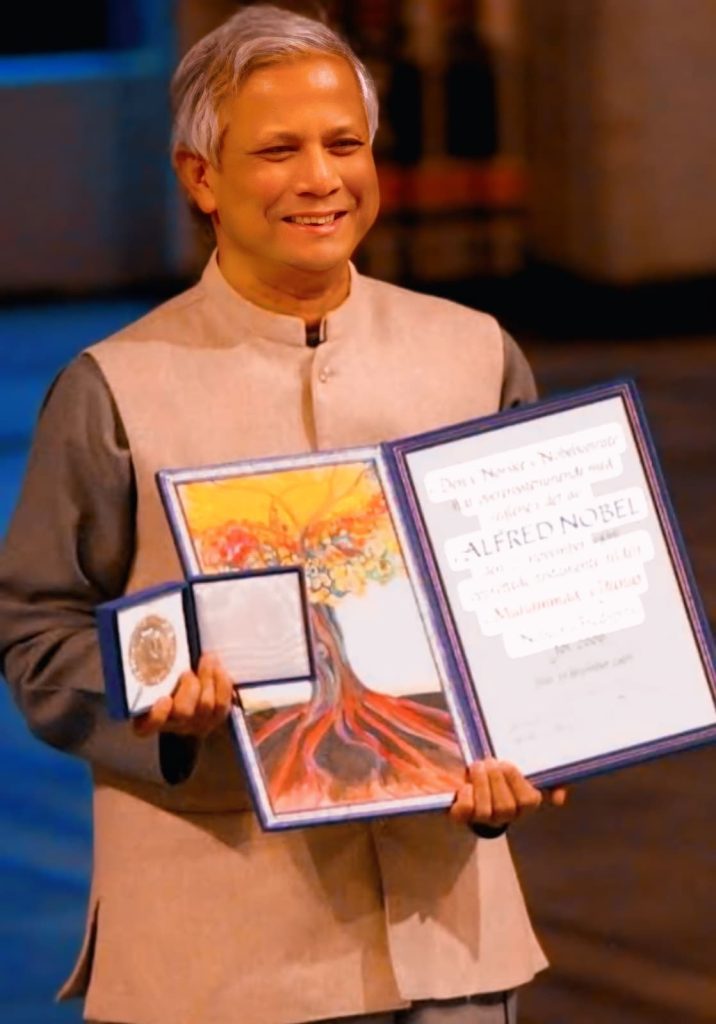
Since the 1980s, microcredit has proven its effectiveness in empowering women economically, particularly through the model pioneered by Grameen Bank in Bangladesh. By enabling women excluded from the traditional banking system to access small loans to start income-generating activities, this model has fostered the creation of cooperatives, local micro-enterprises, and resilient economic ecosystems.
In many countries, development agencies—such as the French Development Agency (AFD) and the World Bank—have successfully supported these initiatives. Why not adapt these mechanisms to the specific realities of LGBT+ people who face discrimination ?
Structural discrimination, structural response
For many LGBT+ people, particularly transgender people, professional exclusion is almost systemic. The lack of stable employment leads to precariousness, dependency, exposure to violence, and sometimes to the high-risk informal economy.
- Microcredit can be a powerful alternative:
- financing craft, agricultural, or digital cooperatives;
- supporting individual entrepreneurship (commerce, catering, services);
- developing collective activities led by LGBT+ associations;
- structuring community savings mutuals.
Backed by local mutual banks, this lever would make it possible to circumvent the obstacles of the traditional banking sector, which is often wary of profiles deemed “risky.” The social and solidarity economy offers a natural testing ground for this approach.
Rethinking development aid in times of budgetary constraints
The contraction of international aid budgets calls for strategic thinking. Direct grants remain essential for defending rights and legal action, but they are not enough to ensure long-term economic viability.
As public funding declines, particularly under the influence of more conservative political priorities in the United States, it is becoming imperative to diversify instruments. Microcredit represents a mechanism that is:
- less dependent on annual political decisions;
- based on the rotation of funds (repayment and reinvestment);
- generating autonomy rather than assistance.
This is not a question of substituting credit for states’ human rights obligations. It is a question of supplementing the existing arsenal with a pragmatic tool that promotes economic integration.
A call to development agencies
We call on development agencies in rich countries to:
1. Create dedicated inclusive microcredit lines targeting LGBT+ people who face discrimination.
2. Forge partnerships with local mutual and cooperative banks.
3. Put public guarantees in place to secure loans.
4. Train banking professionals in non-discrimination.
5. Assess and document the socio-economic impact of these measures.
Economic inclusion is a pillar of human dignity. Enabling LGBT+ people to access entrepreneurship, property ownership, and financial stability reduces their vulnerability to violence and exclusion.
Development aid in the 21st century can no longer be merely redistributive; it must be transformative. Opening up microcredit to LGBT+ communities is not a symbolic gesture: it is a strategy for the future.
Economic empowerment is not a luxury. It is a matter of urgency.
SIGNATORIES
In the Caribbean and in the diaspora :
Moïse MANOËL-FLORISSE, journalist
Edmide JOSEPH from FACSDIS in Haïti, an organization giving support to lesbians
Johnny CLERGE from ORAH (rainbow organization of Haiti)
Dominique Rebel SAINT-VIL, founder of the Trans Organization of Haiti (OTRAH)

Fritzner HENRY, founder of Gran Lakou Fòlklorik, in Haiti
Steeve GRANDJEAN, founder of the Autonomous Association for Inclusion and Social Emancipation (AIES), an LGBT+ advocacy association
Merlin JEAN, Founder and Executive Director of the Heritage Association for the Protection of Human Rights (HPDH), North and Northeast Haiti
St. Maarten/St. Martin Alliance for Equality (SAFE 978), an association fighting LGBTphobia and serophobia on the French-Dutch island of Saint Martin
In Africa and in the diaspora :
Luc AGBLAKOU, founder of Hirondelle Club Bénin and Hirondelle Club International
Diamond R., activist from Queer Place Madagascar
Plural Gabon Network, a platform of civil society organizations based in Libreville working to defend sexual and gender minorities in Gabon
Jann HALEXANDER, French-Gabonese singer, author, composer, writer
Alphonse MIHIGO, executive coordinator at Action for the Fight Against Social Injustice (ALCIS), in Bukavu, South Kivu, in the east of the Democratic Republic of Congo
Jérémie SAFARI, Executive Director of Rainbow Sunrise Mapambazuko, an association supporting LGBT+ people in Bukavu, South Kivu, in the eastern Democratic Republic of Congo
In Canada :
Rémi COURCELLES, President of Esplanade Consultation, a consulting firm specializing in public affairs and organizational management

