

New report reveals pattern of structural violence against African LBQ women


Sexual violence and family expulsion among the challenges facing African LBQ women
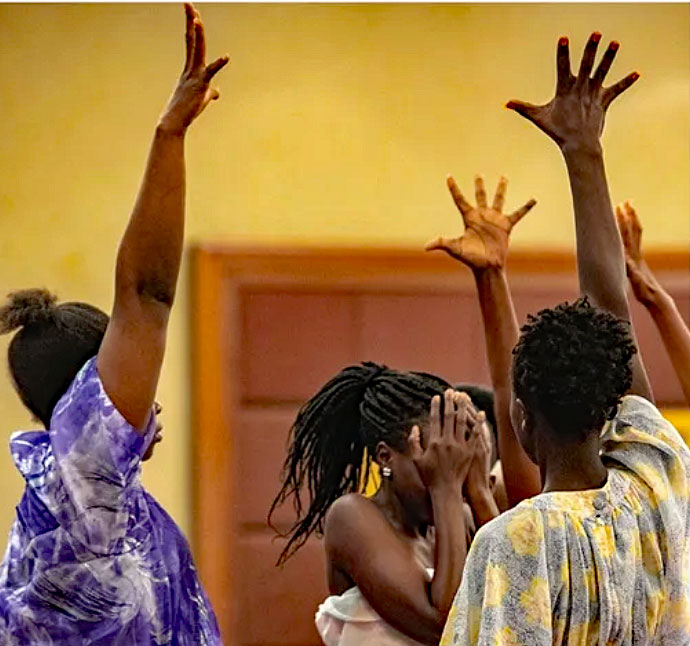
A new African Human Rights Coalition (AHRC) report reveals how lesbian, bisexual, and queer women experience systematic violence that begins within families and communities and continues through displacement, detention, and so-called host countries.
Authored by Melanie Nathan, From Home to Hostile Host: Structural Violence Against LBQ Women Across African Contexts draws on AHRC’s work in 20 African nations to expose patterns of sexualized violence, forced marriage, family expulsion, and state-enabled harm that are frequently excluded from both women’s rights and LGBTI protection frameworks.
The report calls for urgent accountability and concrete reforms across humanitarian, asylum, and human-rights systems.
The report also notes the shifting global human rights landscape, as the United States has stepped back from key international human rights reporting and engagement mechanisms. This retreat weakens accountability frameworks that have historically supported documentation, protection standards, and asylum adjudication for SOGIESC-related claims, and signals a broader erosion of leadership at a time when structural violence against LBQ women is intensifying across Africa.
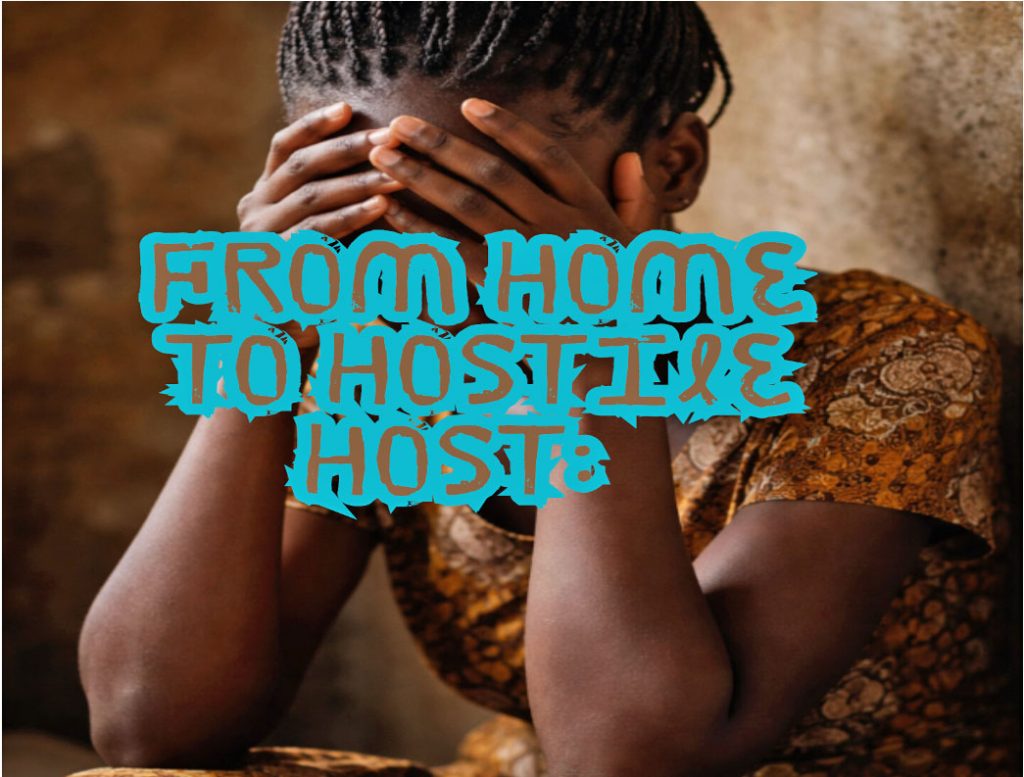
Below are a some key excepts from the report. Read the full report here.
How LBQ Women’s Experiences Differ
The experiences of lesbian, bisexual, and queer (LBQ) African women are distinct from those of gay men and other sexual minorities due to the intersection of gender, sexuality, and entrenched patriarchal control. LBQ women are frequently punished not through formal criminal prosecution but through sexualized and domestic forms of violence such as forced marriage, marital rape, “corrective” sexual assault, and reproductive coercion intended to enforce gender conformity and male authority.
This is not to suggest that African LBQ women are unaffected by criminalization or law enforcement; rather, criminal prohibitions often operate as a licensing framework that legitimizes, catalyzes, and justifies the sexualized and family-based violence they experience, even where such harms are inflicted by private actors rather than through formal prosecution.
Unlike gay men, whose persecution is more often public, policed, or prosecuted, violence against LBQ women is routinely normalized within families and communities and rendered invisible as a private or cultural matter.

Women’s rights frameworks often fail to capture these harms when sexual orientation is excluded or treated as secondary to gender-based violence, while LGBTI frameworks have historically centered male experiences, particularly those involving criminal law enforcement, thereby obscuring the gender-specific and sexualized nature of the violence faced by LBQ women. As a result, LBQ women remain systematically under-identified, under-protected, and excluded from both protection mechanisms and legal remedies.
What Has Not Worked
Gender-neutral shelters, police “sensitization” without accountability, male-centered LGBT programming, and short-term humanitarian interventions have consistently failed to protect LBQ women, often reproducing exclusion, impunity, and heightened vulnerability rather than delivering effective protection.
Recommendations
- States: Decriminalize consensual same-sex conduct, ensure access to asylum procedures, and exercise due diligence to prevent, investigate, and punish violence against LBQ women.
- UN bodies: Require disaggregated SOGIESC data, prioritize LBQ-specific protection risks, and condition cooperation on state compliance with non-refoulement and protection standards.
- Humanitarian actors: Establish lesbian-specific safe shelters, enforce safeguarding mechanisms, and ensure confidential access to medical and psychosocial care. Ensure services include children.
- Asylum and refugee systems: Prohibit SOGI-based pretermission, recognize sexualized and family-based persecution, and ensure protection without mandatory self-disclosure. Open dedicated pathways and create appropriate protection status.
- Donors: Fund long-term, LBQ-led protection and shelter programs and require accountability for exclusionary or harmful practices.
- United States: Return to reporting on SOGIESC and women’s human rights.
United States ends its role as a a human-rights guardrail
As an additional observation, it is notable that the United States has recently diminished its traditional role as a global human-rights guardrail by removing reporting on the conditions of women and LGBTQI+ persons in its annual Department of State Human Rights Reports. This retreat from comprehensive documentation weakens an important international accountability mechanism and has a disproportionate impact on lesbian, bisexual, and queer (LBQ) women, whose persecution is already underreported due to stigma, criminalization, and forced invisibility. The absence of consistent U.S. reporting does not reflect an improvement in conditions; rather, it further obscures the risks faced by these populations and underscores the need for careful, independent country-conditions analysis when assessing protection claims.
For further information, download the full report HERE.

