

Spotlight on Mauritania, where LGBT people hide their identities for fear of stigma


Survey of nations with anti-homosexuality laws
This article about Mauritania is one of a series of short articles on LGBTQ rights advocacy and abuses in nations with anti-LGBTQ laws. They are based on Outright International’s country overviews, which track each nation’s record on LGBTQ rights. In a small way, those overviews fill the gap that the Trump administration created when it ended the Department of State’s annual nation-by-nation reports on the human rights of LGBT people.
Outright International’s overview report: Death penalty threatened but not enforced
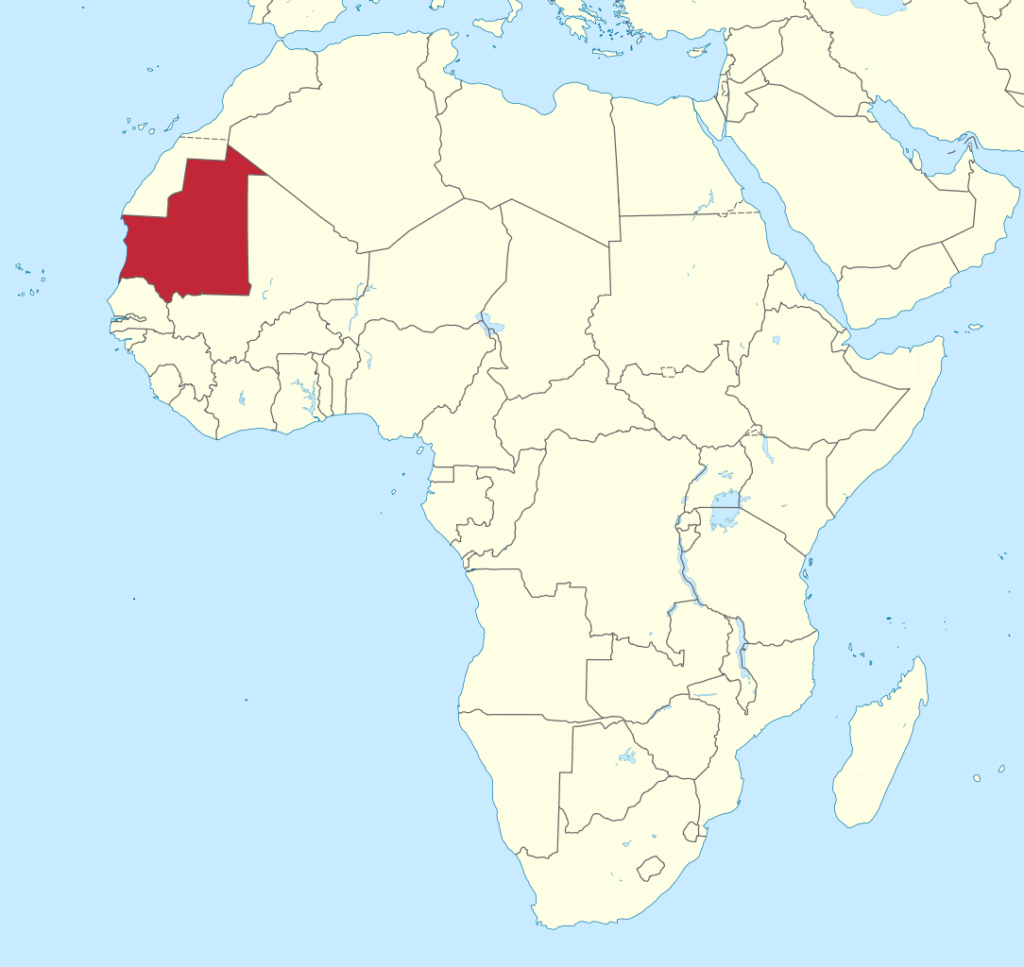
Mauritania criminalizes same-sex sexual activity under its Penal Code, which provides a maximum possible sentence of death by stoning for men. However, in 2021, the government confirmed its de facto moratorium on the death penalty.
There have been reports of people being arrested and detained for these charges in recent years, as well as LGBTIQ people being harassed.
LGBTIQ visibility is fairly low in Mauritania, which contributes to social stigma. Due to the fear of discrimination and rejection, many LGBTIQ people remain private about their identities.
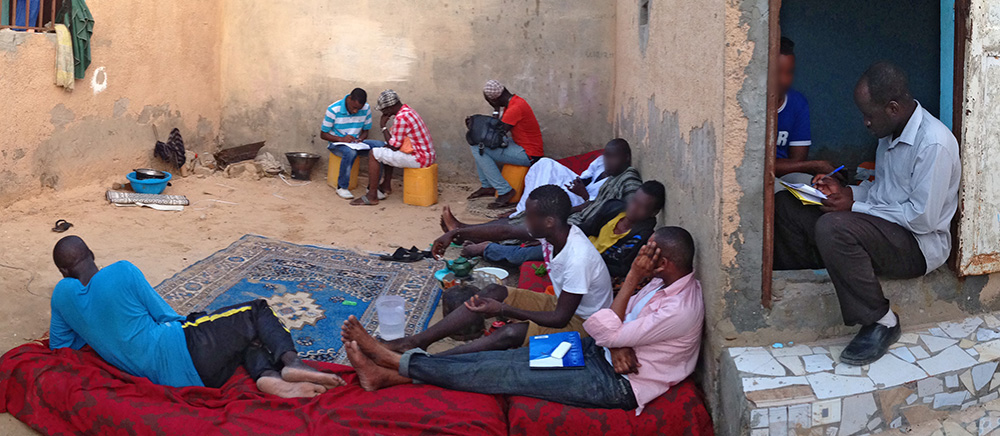
The country became a refuge for Senegalese LGBTIQ people after 2008, when homosexuality became the subject of recurrent public controversies in Senegal. Some Senegalese LGBTIQ people have been granted refugee status by the United Nations High Commissioner for Refugees (UNHCR) but face serious legal dangers, health risks, and social rejection, making it difficult for them to get the help and protection they need.
Human Dignity Trust: Lesbians’ legal status is unclear
[Mauritania’s anti-homosexuality law] specifically applies to Muslim men, though it is not clear if it applies equally to non-Muslim men.There is some evidence of the law being enforced in recent years, with LGBT people being occasionally subject to arrest. A high-profile incident in 2020 saw ten people arrested and detained on same-sex activity charges, with eight of them being prosecuted and sentenced. There have been limited reports of discrimination and violence being committed against LGBT people in recent years, and the lack of reporting is attributed to social stigma.
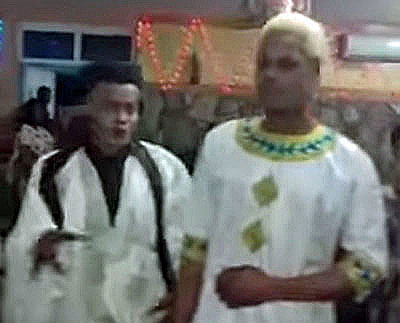
Human Dignity Trust reported on arrests of LGBTQ people in Mauritania in 2020:

In January, ten people were arrested and detained after video footage emerged on social media of what was alleged to be a same-sex wedding. [In the capital,] Nouakchott Police Commissioner, Mohamed Ould Nejib, subsequently acknowledged in a television interview that the event had not been a same-sex wedding but was simply a birthday celebration. He indicated that the men had been arrested for “imitating women”. According to the police report, the eight men “confessed that they are homosexuals” during police interrogations, at which they had no legal representation, but these confessions were subsequently refuted during the trial.
Eight of those arrested were subsequently convicted and sentenced to two years’ imprisonment for ‘indecency’ and ‘inciting debauchery’ under Articles 264 and 306 of the Penal Code respectively. One woman received a one-year suspended sentence for participating in ‘inciting debauchery’ by being present at the event. The restaurant owner was acquitted.
[Related articles from Erasing 76 Crimes: Mauritania: Police arrest 10 after seeing video of ‘gay wedding’ (January 31, 2020) and Mauritania: Prison for 8 men ‘imitating women’ at party (February 7, 2020)]
The U.S. Department of State evaluated LGBT rights in Mauritania in 2022:
The US Department of State found that LGBT persons are reportedly harassed and subjected to violence from the National Police, the General Group for Road Safety, neighbours, and family members. No laws protect LGBT persons from discrimination based on sexual orientation, gender identity or expression, or sex characteristics. LGBT identity is rarely publicly identified or discussed, which observers attributed to the severity of the stigma and the legal penalties attached to it.
Erasing 76 Crimes (2014):
Discreet inclusion of gays in the HIV response.

