

Spotlight on Burundi, where the president wants gays to be stoned


Survey of nations with anti-homosexuality laws
This is one of a series of short articles on LGBTQ rights advocacy and abuses in nations with anti-LGBTQ laws. They are based on Outright International’s country overviews, which track each nation’s record on LGBTQ rights. In a small way, those overviews fill the gap that the Trump administration created when it ended the Department of State’s annual nation-by-nation reports on the human rights of LGBT people.
Outright International’s overview report
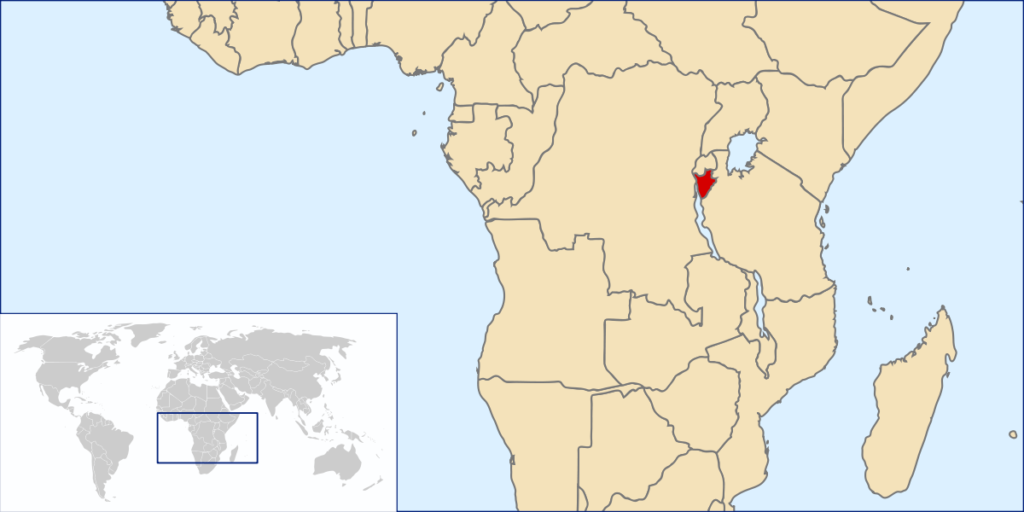
In Burundi, LGBTIQ people face high levels of harassment, discrimination, family rejection, and stigmatization for their identities.
Burundi criminalized same-sex sexual relations for the first time in 2009, under Article 250 of the Penal Code of 2009, with punishments of up to two years in prison and fines. People have been arrested for charges related to “homosexuality” and forced to pay exorbitant bribes to secure their release. LGBTIQ individuals have also faced arbitrary arrest and intimidation by police.
In March 2023, the government cracked down on LGBTIQ people, with 24 people arrested and charged with same-sex sexual conduct. Government officials have publicly used anti-LGBTIQ rhetoric and denounced “homosexuality” as a “Western import.”
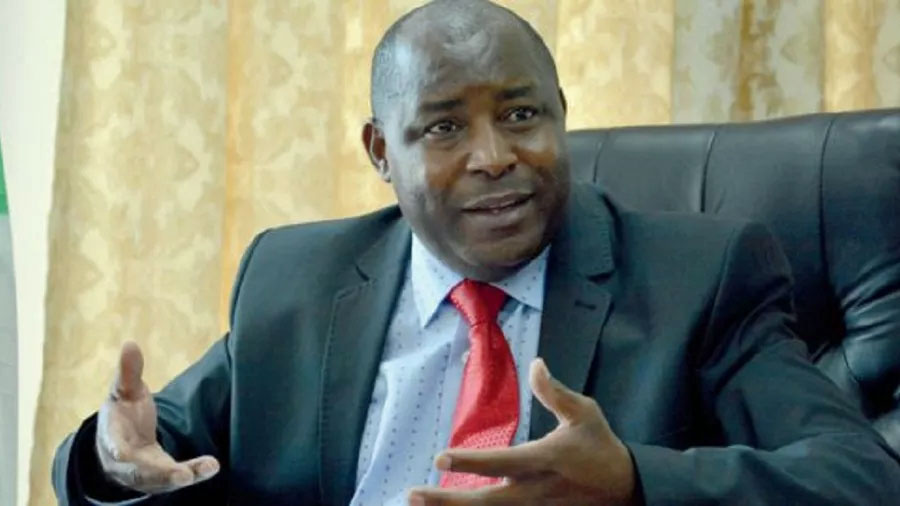
In December 2023, President Evariste Ndayishimiye said that gay people should be stoned to death.
Burundi prohibits non-profit organizations from registering if they have objectives contradicting the law, and LGBTIQ organizations have been rejected when they tried to register.

U.N. Human Rights Council
In 2023, at the U.N. Human Rights Council’s latest Universal Periodic Review of human rights, Burundi was urged to:
- Decriminalize same-sex relations
- Ensure that LGBT+ organizations can operate in the country without fear of prosecution or persecution by the Government.
- Ensure that LGBT+ people have unobstructed access to health care, particularly in the area of sexual health.
- Revise a Ministerial Order about education that has led to LGBT+ students being denied access to school.
- Give LGBT+ asylum-seekers access to social assistance.
- Include LGBT+ asylum-seekers and refugees in national refugee support programs and guarantee their access to appropriate housing.
In response, Burundi rejected recommendations on “the rights of lesbian, gay, bisexual, transsexual and intersex persons as they are contrary to Burundian morals, culture, beliefs and customs.”

