

Homophobic song by Guadeloupe artist Admiral T removed from streaming platforms


Admiral T song incites hatred against gays in Guadeloupe
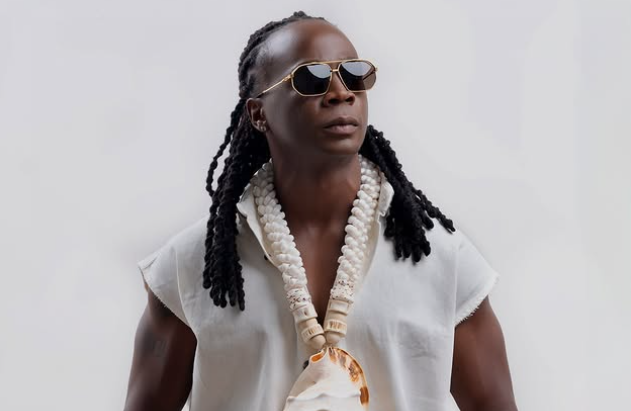
The music streaming platforms Spotify, Amazon Music, Apple Music, YouTube, and Deezer have removed the 2004 album Mozaïk Kréyòl by Guadeloupean performer Admiral T over lyrics that incited hatred and violence toward gay people, following a multi-year campaign by queer activists on the island and across the Caribbean.
The platforms had allowed the album, which contains the offending song “Gwadada,” to be monetized for many years. In the song’s lyrics, Admiral T portrayed homosexuality as a scourge promoting prostitution, among the many evils afflicting the island, such as violent robberies and unemployment:
In Guadeloupe, there are a lot of queers now.
Lots of young people are queers.
Because there’s money to be made in male prostitution. (“Gwadada”)
While a gay-friendly Caribbean dancehall scene has recently emerged in the diaspora, notably featuring openly gay artists, homophobic attitudes persist in the Caribbean.
Over 2024 and 2025, a public awareness campaign informed the general public that Admiral T (whose legal name is Christy Campbell) was continuing to monetize “Gwadada” on music streaming platforms.
French LGBT advocacy group Stop Homophobia took the matter to the Society of Authors, Composers and Publishers of Music, the professional association that administers music rights and royalties in France, to demand the removal of the song, denouncing its degrading lyrics.
On the advocacy platform All-Out, a petition with 13,245 signatures is calling on Admiral T’s record label Universal Music Group to remove the track from its catalog.
“When the petition launched, it quickly became clear that this was not just a local issue. People across the world agreed that music should never be used to spread hate, and thousands stood up to demand change,” reads an update on the All Out petition.

“The results speak for themselves. After sustained public pressure, Spotify and Apple Music removed the song from their platforms, Amazon Music followed, and YouTube took down the official audio. This is a major achievement for everyone who believes in a music world that protects dignity instead of endangering it.”
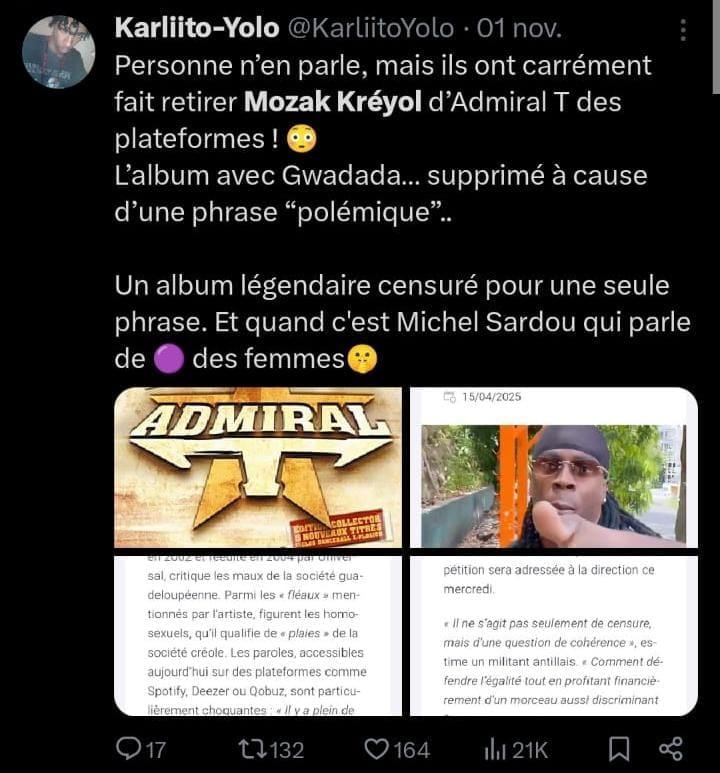
On social media, news of the album’s removal has caused quite a stir, with some lamenting the loss of part of Guadeloupe’s national heritage. Karliito-Yolo, a leading opinion maker who regularly comments on Caribbean music news, referred to it as “a legendary censored album.”
The dancehall artist’s influence on Guadeloupean culture and society remains strong as evidenced by the fact a public school in Boissard was named after him in 2013, and continues to bear his name despite controversy.
The question remains as to what heritage and history will be passed on to new generations in Guadeloupe. Beyond that, there is the question of the values of living together around which Guadeloupe wishes to build its society, between its French institutional roots and the cultural influences imported from Jamaica.

